
In recent years, the term “World War III” has entered public discourse with alarming frequency. While regional conflicts continue to unfold across the globe, a new kind of warfare—economic warfare—has emerged, affecting nations and citizens alike. Ordinary people never wished for this. Yet, decisions are made by those in power, often far removed from the voices of the people. It feels as though the influence of citizens ends after elections.

For real change to occur, mass movements are often needed—protests, marches, or other public displays of dissent. But unity rarely comes unless the crisis hits close to home. Most people are busy surviving—working hard just to care for themselves and their families. Activism, though noble, can feel like a heavy burden when life is already exhausting.
What’s truly heartbreaking is that while we do our best—conserving water, sorting waste, using energy wisely—the root causes of environmental destruction remain unchecked. The damage caused by large corporations and industries far outweighs the impact of individual efforts.
But not all gatherings are born from outrage. There are people unite in peace—especially through meditation. Unlike protest, which often begins with pain or anger, peaceful gatherings stem from inner clarity. Meditation leads to stillness, joy, and a deep sense of purpose. And from this place, true solutions can arise.
Instead of waiting for disaster, what if we came together proactively—to do good, to build networks of virtue, and to prevent wrongdoing before it spreads? This is not idealism. It is a path being walked by many, including Venerable Luang Por Dhammajayo.
He envisions “World Peace through Inner Peace” and has inspired mass meditation events with hundreds of thousands of participants. On Earth Day, April 22nd, a monumental act of goodness will take place: laypeople across Thailand will offer alms to monks from over 40,000 temples. This initiative, which began with 5,000 temples, has now grown into a nationwide movement supported by over 200,000 people.
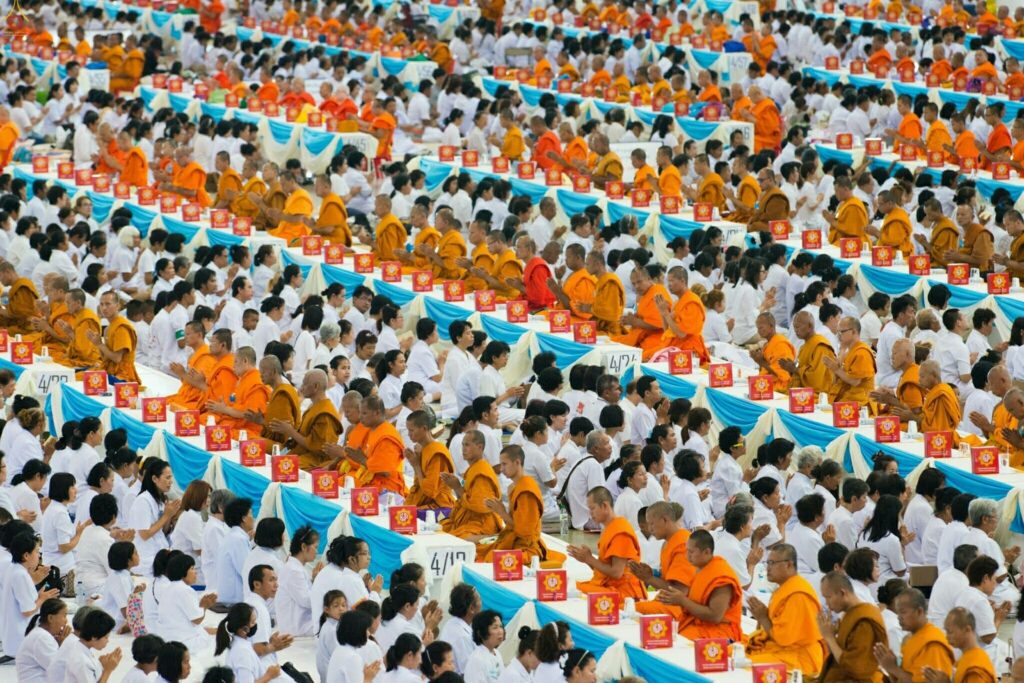

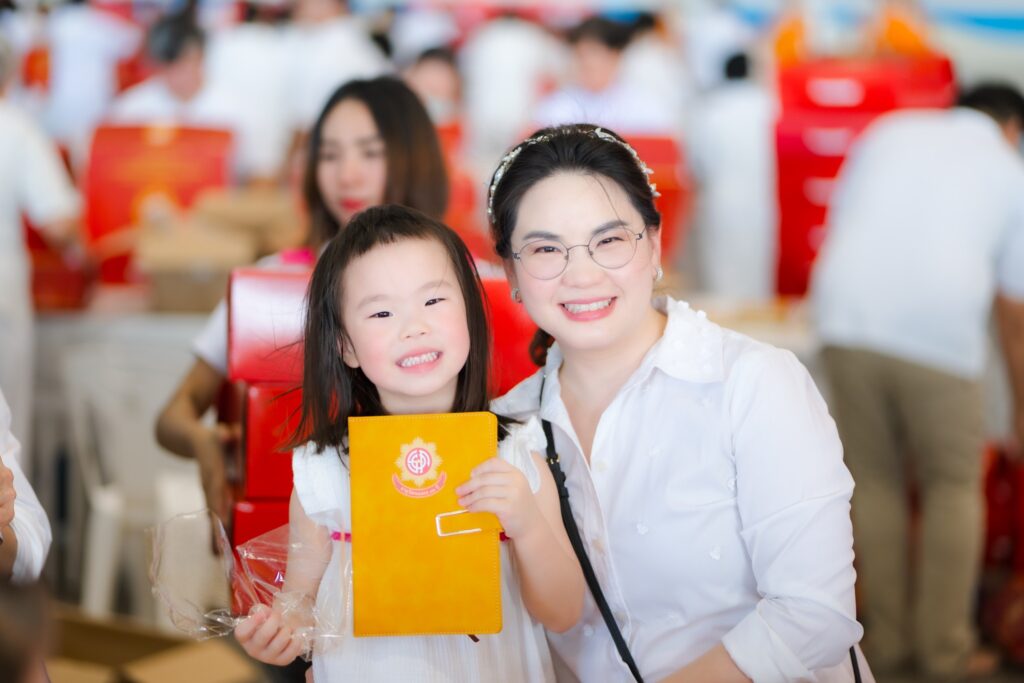
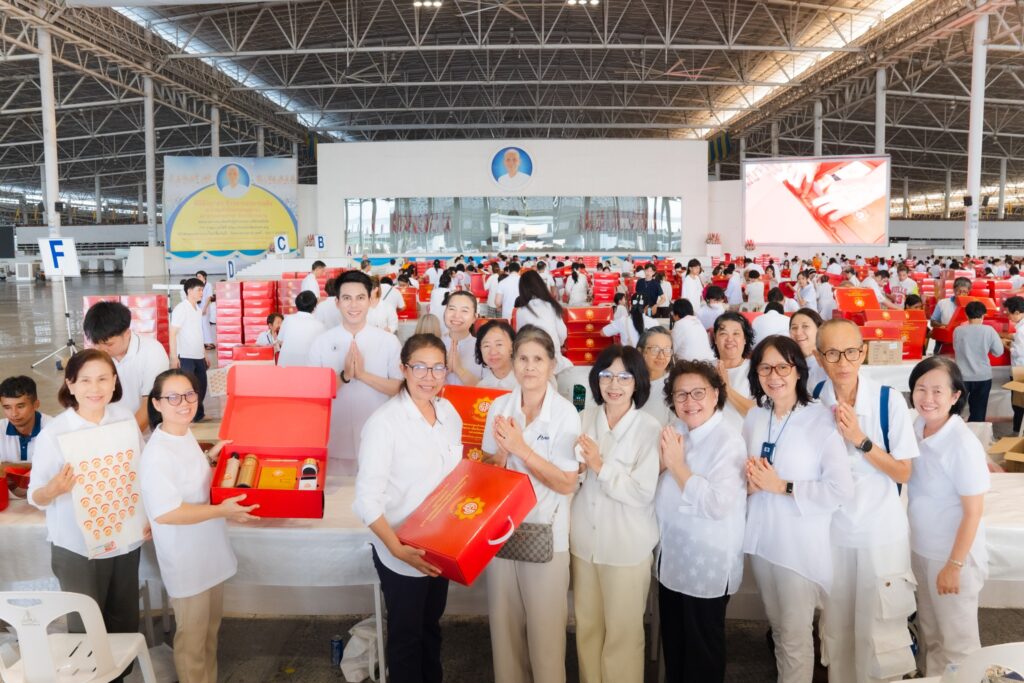
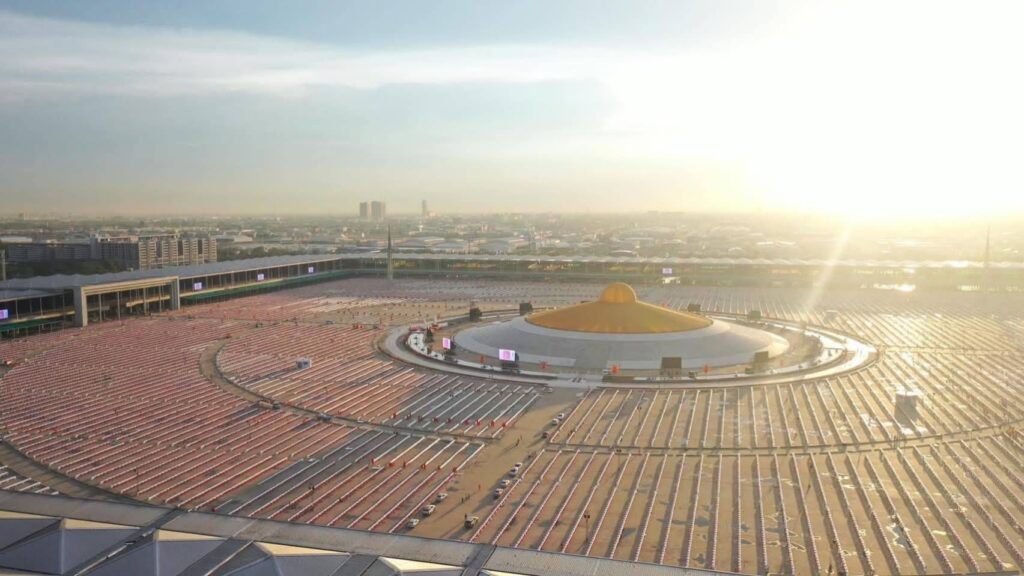
These moments don’t just uplift the spirit—they ignite change. When people experience peace within, they naturally become kinder, more compassionate, and less likely to cause harm. Meditation leads to contentment, and contentment leads to sustainability. A person who feels fulfilled doesn’t need to consume excessively or compete for power.
Luang Por Dhammajayo’s journey is inspiring. Born on April 22, 1944—Earth Day—he devoted his life to understanding and spreading the path of inner peace. As a young boy, he questioned life’s meaning and sought answers through books on meditation and biographies of great individuals. His deep curiosity led him to Wat Paknam, where he met Khun Yai Chand, a devoted disciple of Luang Pu Wat Paknam. Under her guidance, he meditated daily and eventually became a monk. Together, they founded Wat Phra Dhammakaya in 1970, transforming a barren field into a thriving center of spiritual practice.
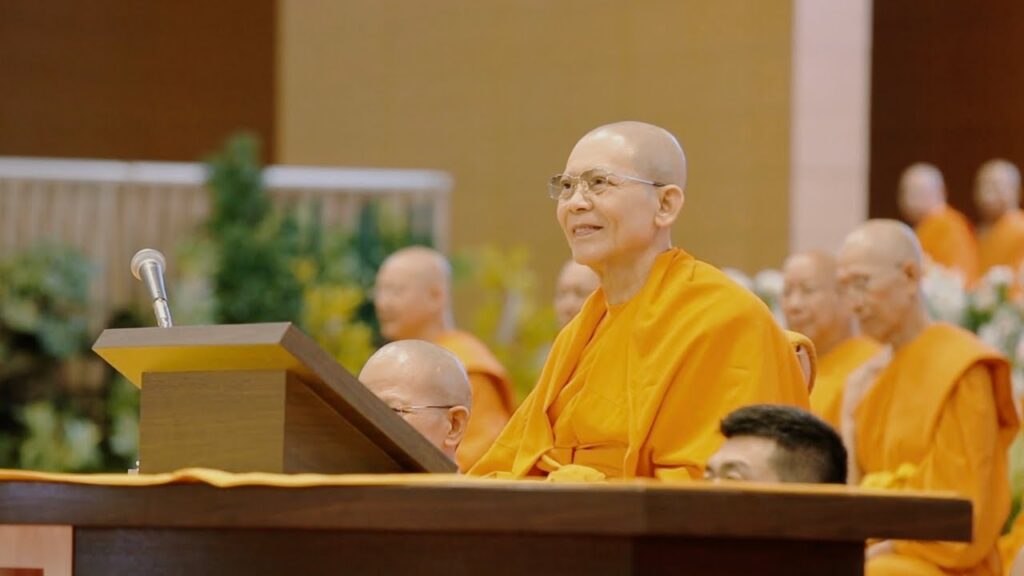
His teachings have since reached people worldwide, helping thousands find happiness not through sensory pleasures, but through inner stillness. When we awaken this stillness, we no longer need to look outside for fulfillment. And when enough people live with such peace, the world itself begins to change.
This Earth Day, let us remember: to care for the Earth, we must first care for our minds. Meditation is not a luxury—it is essential for our time. Let us gather not in protest, but in peace. Not to fight, but to awaken. And in this awakening, may we find healing—for ourselves, our communities, and the world.
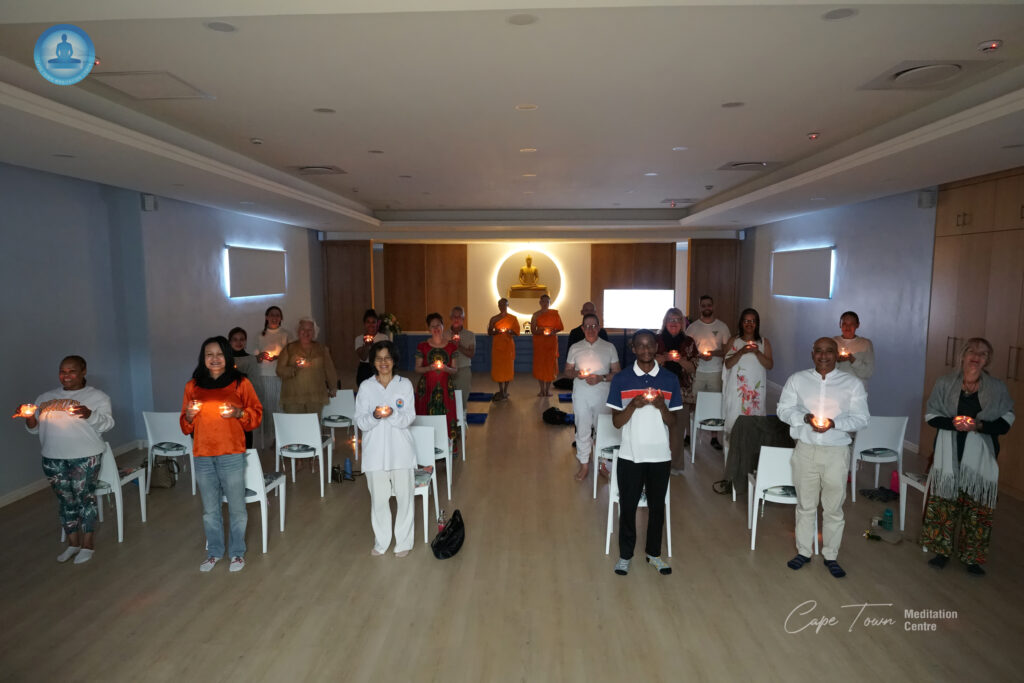
🕯️ Today, we will meditate together and light the Candle of Peace—a symbol of hope and a call for inner and outer harmony. May more people join us, now and in the future.
#EarthDay2025 #WorldPeaceThroughInnerPeace #LuangPorDhammajayo
Dhammakaya #MeditationForPeace #CandleOfPeace #HealTheWorld
MindfulnessMatters #SpiritualAwakening #TogetherForPeace
