

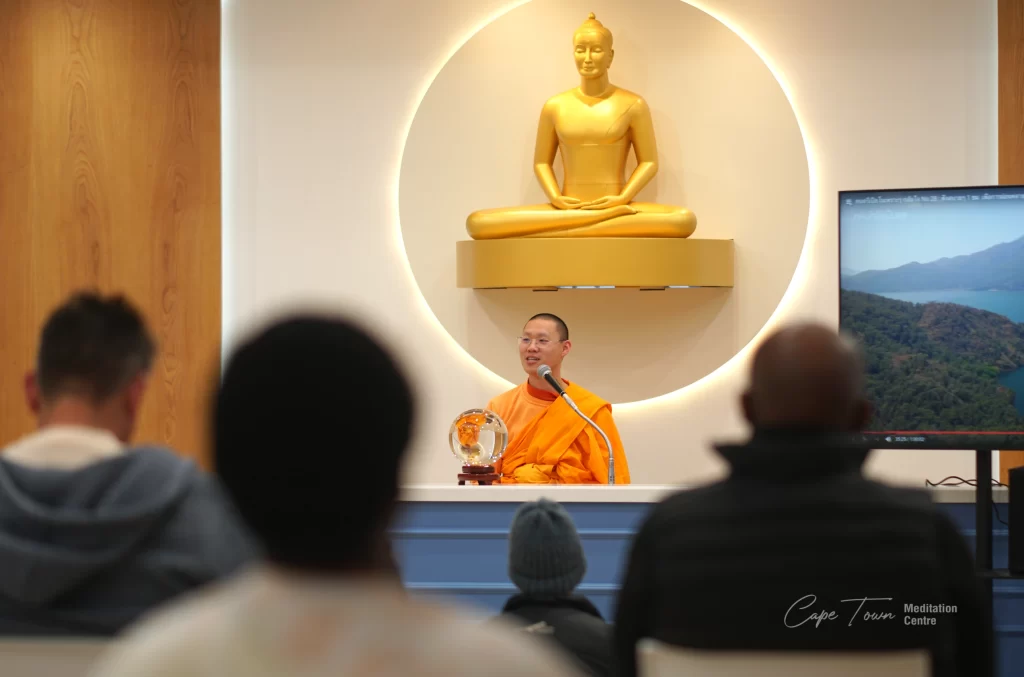
It is helpful and delightful to always hear Monk Sun emphasize the importance of a beginner’s mind in meditation. The mind of a true beginner is the mind and heart of the Buddha. Usually, we think that if we practice meditation for a long time, we will become very experienced, knowing what to do, and we will do it perfectly. But our knowledge is not wisdom. Wisdom is not-knowing and being completely comfortable with not-knowing.
Shunryu Suzuki, Zen Master and author of Zen Mind, Beginner’s Mind, said of our beginner’s mind, echoing Monk Sun:
In Japan we have the phrase Shoshin, which means “beginner’s mind.” The goal of practice is always to keep our beginner’s mind. Suppose you recite the Prajnaparamita Sutra only once. It might be a very good recitation. But what would happen to you if you recited it twice, three times, four times, or more? You might easily lose your original attitude towards it. The same thing will happen in your other Zen practices. For a while you will keep your beginner’s mind, but if you continue to practice one, two, three years or more, although you may improve some, you are liable to lose the limitless meaning of original mind.
For Zen students, the most important thing is not to be dualistic. Our “original mind” includes everything within itself. It is always rich and sufficient within itself. You should not lose your self-sufficient state of mind. This does not mean a closed mind, but an empty mind and a ready mind. If your mind is empty, it is always ready for anything and open to everything.
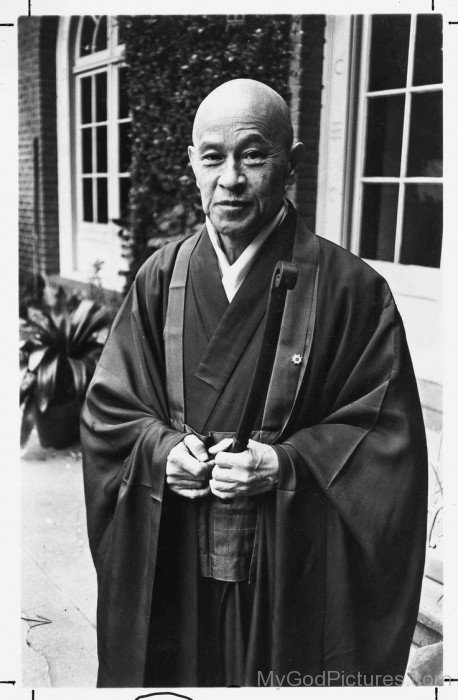
In the beginner’s mind there are many possibilities; in the expert’s mind there are few…. In the beginner’s mind there is no thought, ‘I have attained something.’ All self-centered thoughts limit our vast mind. When we have no thought of achievement, no thought of self, we are true beginners. We can really learn something.
Shunryu Suzuk
Thank you, Monk Sun, for guiding us back to our original beginners’ minds.
