A Journey to Stillness, Clarity, and Inner Peace
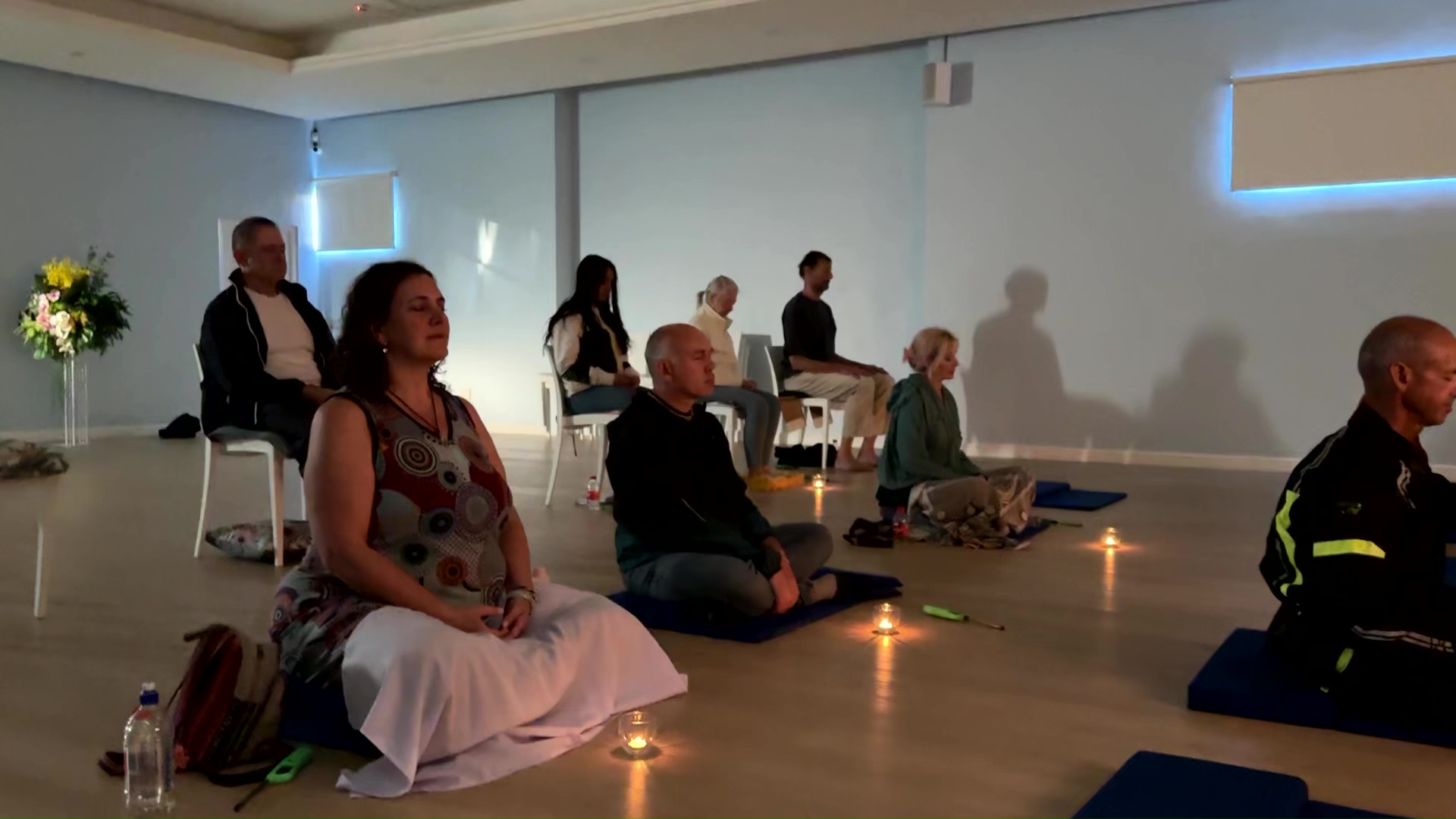
From 20–22 March 2026, the Cape Town Meditation Centre welcomed a warm community of meditators—both beginners and long-time practitioners—for a deeply nourishing Golden Weekend Meditation Retreat.
For three days, participants gently stepped away from the noise of daily life and rediscovered something simple yet powerful: peace is not something we create — it is something we uncover.
This retreat was designed not only as a break from stress, but as a return to the natural balance of the mind. When the mind becomes still, clarity arises. And when clarity arises, peace naturally spreads — first within ourselves, then into our families, our communities, and ultimately, the world.
This is the heart of our guiding principle:
World Peace through Inner Peace
Day 1 – The Mind Begins to Settle
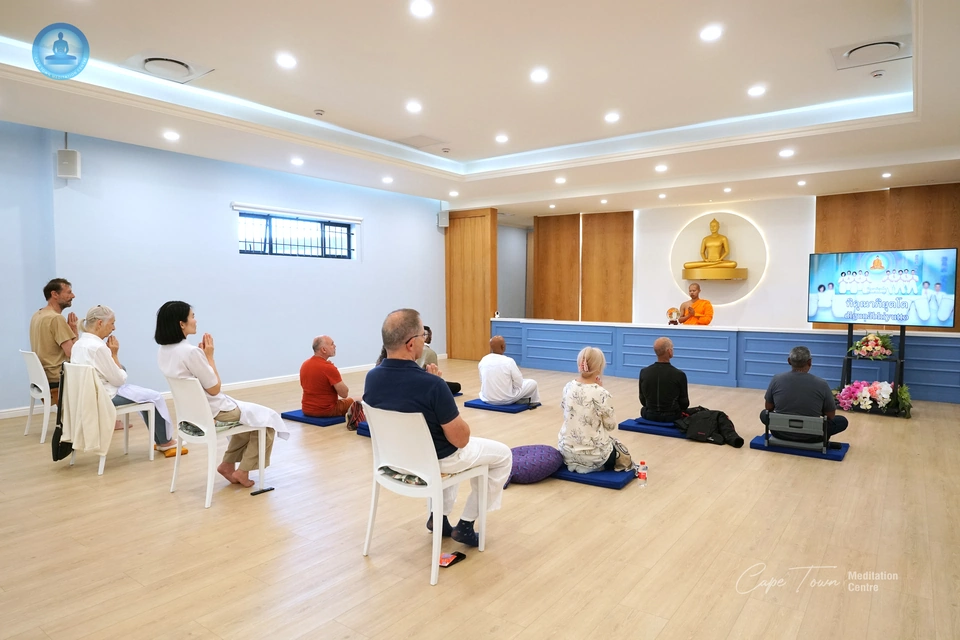
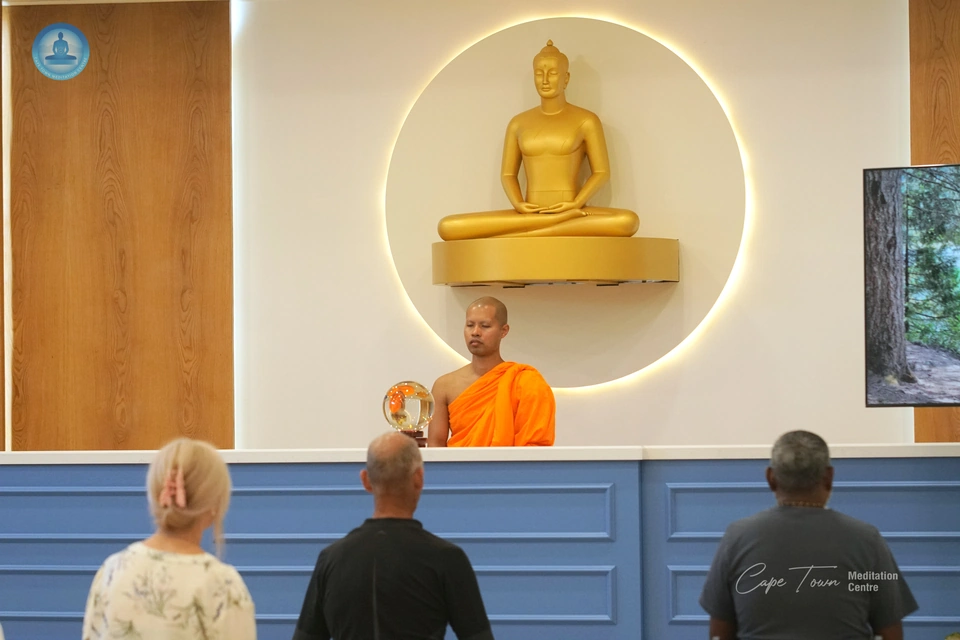
The retreat opened on Friday evening with a gentle transition from the busy work week into a peaceful inner space.
Through Buddhist evening chanting, participants experienced how sound itself can calm the nervous system and prepare the mind for stillness. Chanting has been used for centuries as a form of sound meditation, helping the mind gradually release tension and return to balance.
The evening continued with guided meditation and the sharing of loving-kindness. As participants sat together in silence, a shared intention emerged:
to allow the mind to rest, to soften, and to reconnect with inner calm.
Many participants noticed that even a short session of meditation can begin to quiet the mental noise accumulated from daily responsibilities.
The mind had begun its reset.
Day 2 – Understanding the Mind and Discovering Balance
Saturday offered a full day of immersive practice, combining meditation, gentle movement, reflection, and community connection.
The day began with mindful stretching to release physical tension. When the body relaxes, the mind naturally becomes more receptive to stillness.
The Principle of Meditation: Not Too Tense, Not Too Loose
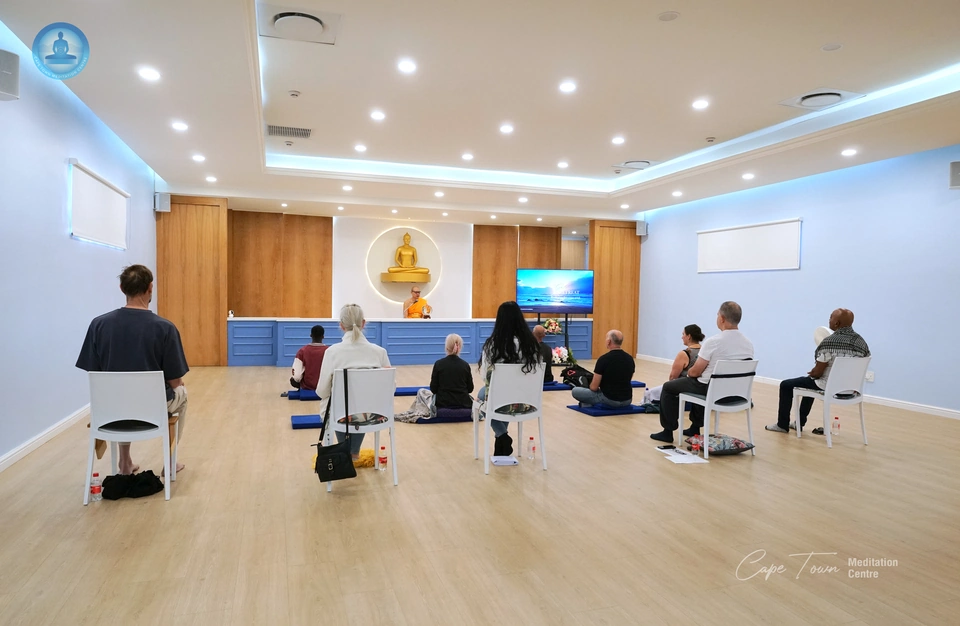
One of the central teachings of the retreat was the principle shared by the Buddha:
The Middle Way — not too tense, not too loose
Participants learned that meditation is not about forcing the mind to be still, nor letting it drift aimlessly. Instead, meditation is a gentle balance between focus and relaxation.
When the mind is too tense, meditation becomes stressful.
When the mind is too relaxed, we become sleepy or distracted.
True meditation happens in the middle — a state of natural ease.
Just as a musical instrument produces the best sound when the strings are tuned correctly, the mind also functions best when balanced.
The Meditation Method – Finding What Works for You
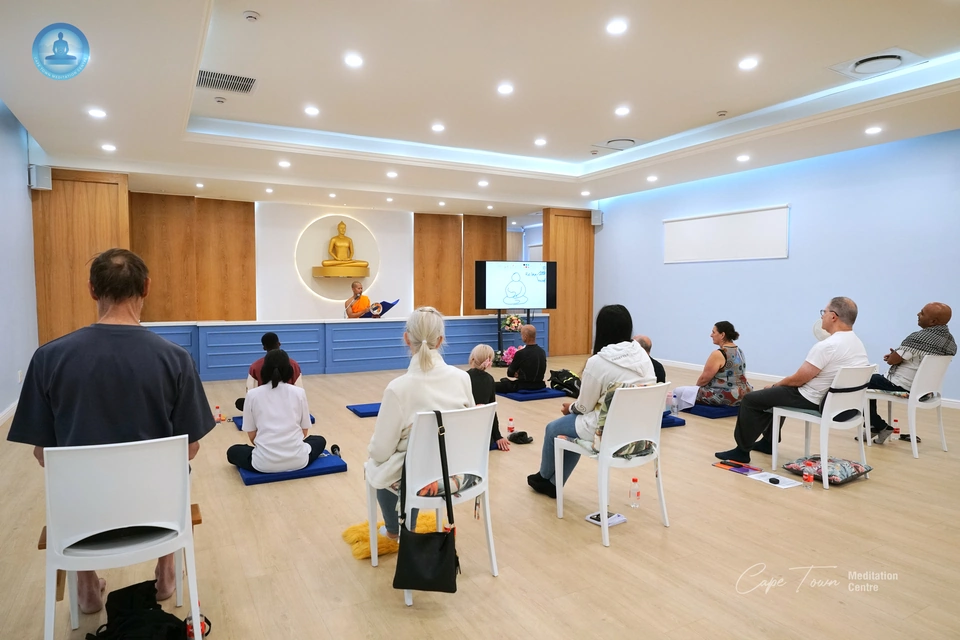
Meditation is not a one-size-fits-all practice. Ancient Buddhist texts describe over 40 meditation techniques, acknowledging that each person’s mind is unique.
During the retreat, participants explored four simple meditation approaches:
1. Visualization
Gently imagining a simple, peaceful image such as a soft light, the moon, or a crystal sphere. Visualization gives the mind a light and effortless focus.
2. Gentle Mantra Awareness
Silently recalling calming words such as:
Clear and bright
Calm and peaceful
Relax and release
The repetition is soft and natural — like hearing an echo within the heart.
3. Resting Attention on Comfort
Allowing awareness to gently rest on a feeling of ease within the body. The mind touches this point lightly, like a feather landing on still water.
4. Simply Being Still
When all techniques feel unnecessary, the mind can rest in openness and stillness — allowing peace to arise naturally.
Participants discovered that meditation becomes easier when practiced regularly and gently, without expectation.
Sati and Sabai – The Art of Balanced Meditation
A key teaching introduced two important qualities:
Sati – mindful awareness, gentle focus
Sabai – relaxation, comfort, ease
Meditation develops smoothly when these two qualities are balanced.
If concentration becomes too strong, tension may arise.
If relaxation becomes too strong, sleepiness may appear.
Learning to recognize this balance allows meditators to adjust naturally, developing confidence in their own practice.
Meditation becomes not something rigid, but something alive and adaptable.
The Light of Peace Ceremony
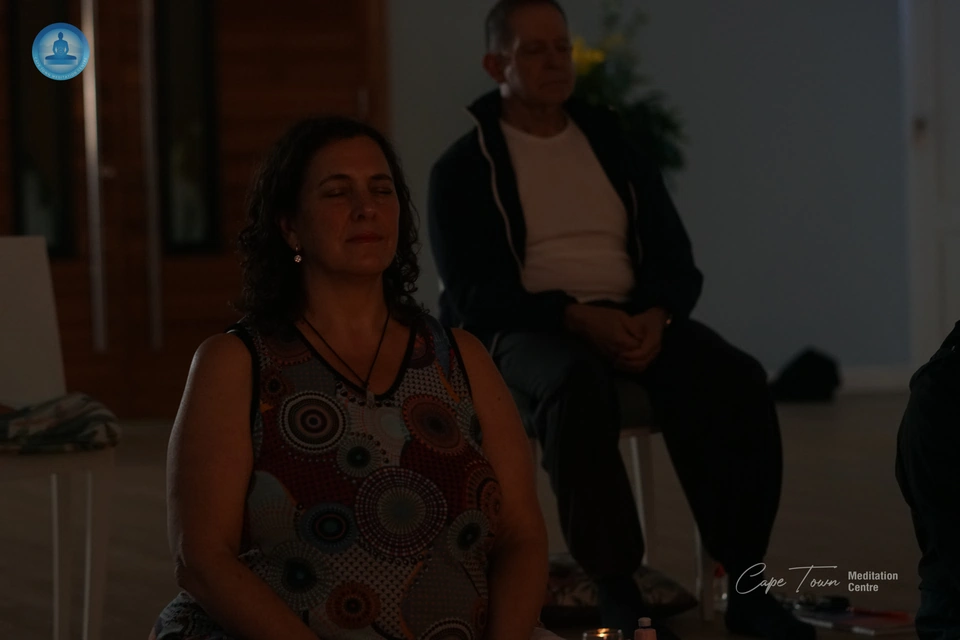
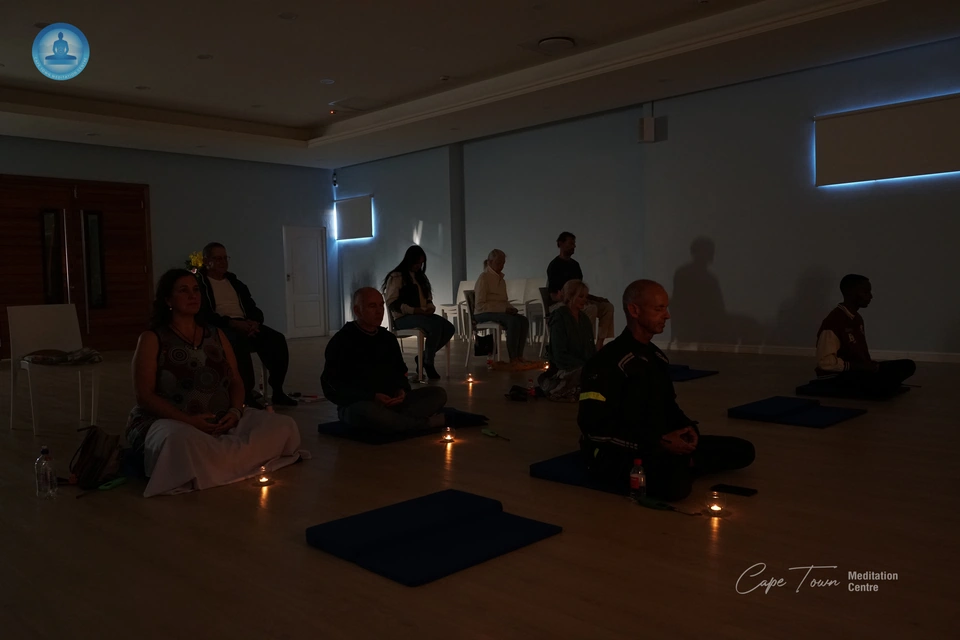
One of the most touching moments of the retreat was the Light of Peace candle ceremony.
Each participant lit a candle as a symbol of inner brightness — a reminder that peace begins within each individual mind.
As the room filled with soft candlelight, participants reflected on how inner calm influences the world around us.
When the mind is peaceful, our words change.
Our actions change.
Our relationships change.
Peace naturally spreads outward.
Just as one candle can light many others without losing its flame, one peaceful mind can inspire many.
Day 3 – Bringing Meditation into Daily Life
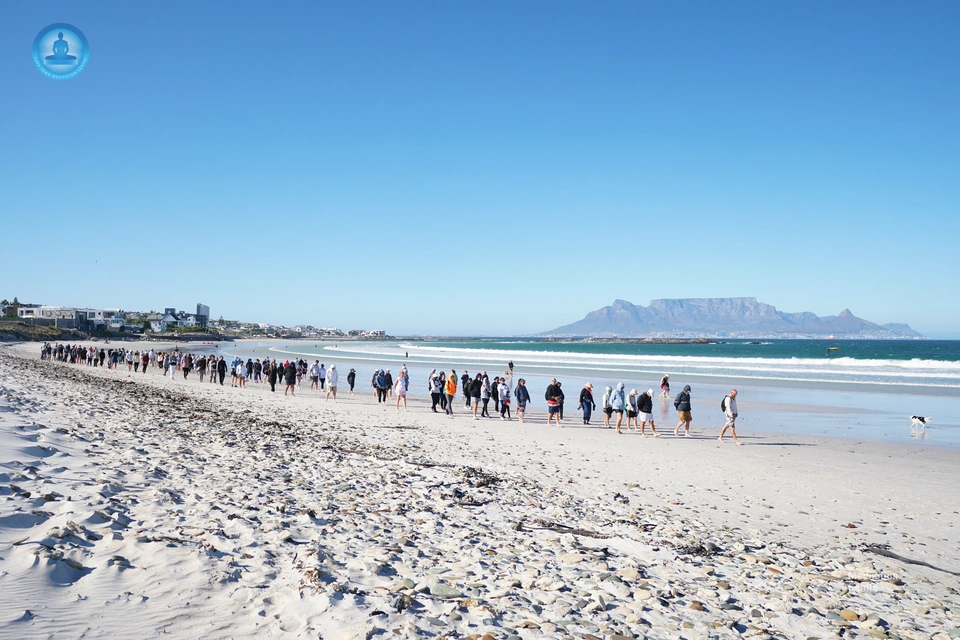
On the final morning, We collaborated with Michael from Prana Love (@breathelovejoy) for a profound Silent Beach Walking Meditation at Eden on the Bay. Moving slowly across the sand at Big Bay in “Noble Silence” allowed us to experience the “Golden Hour” in a state of total presence.
Meditation is not limited to sitting with closed eyes.
Meditation can happen while walking, working, listening, or interacting with others.
Peace becomes part of daily life.
For those who preferred indoor practice, a parallel meditation session was offered at the Centre, ensuring the retreat remained inclusive and supportive of individual needs.
Living Peacefully Together – Meditation in Daily Life
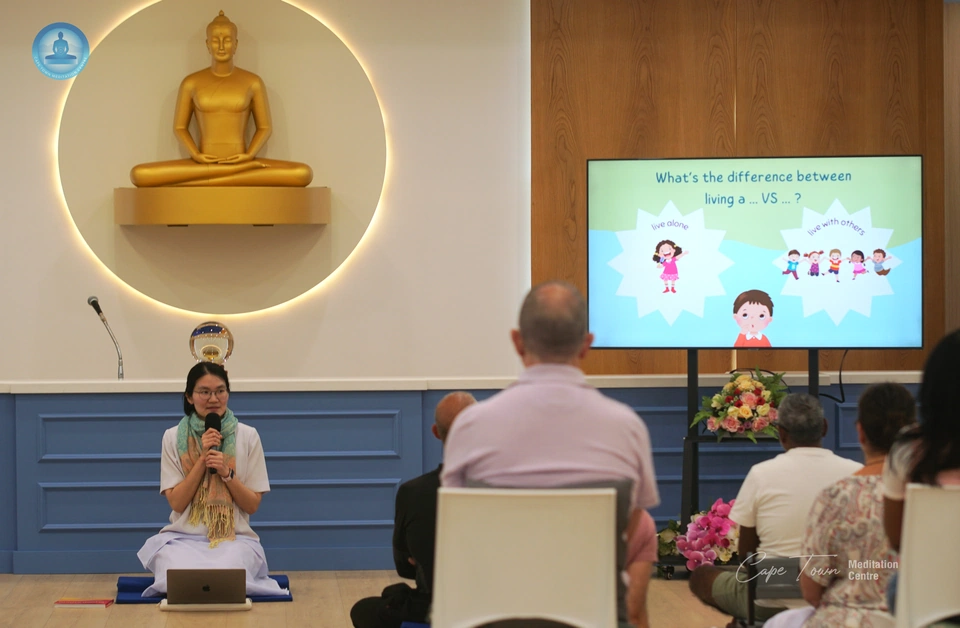
One of the closing reflections explored how inner peace supports harmony in society.
Participants reflected on simple principles that help create a peaceful environment:
• Compassion – choosing not to harm
• Honesty – respecting what belongs to others
• Responsibility in relationships
• Kind and truthful speech
• Mindfulness in daily choices
Simple habits such as cleanliness, punctuality, politeness, and mindfulness can transform our daily environment into a supportive space for mental clarity.
When the mind is clear, our actions become naturally beneficial to others.
Inner peace becomes social peace.
A Community of Shared Intention
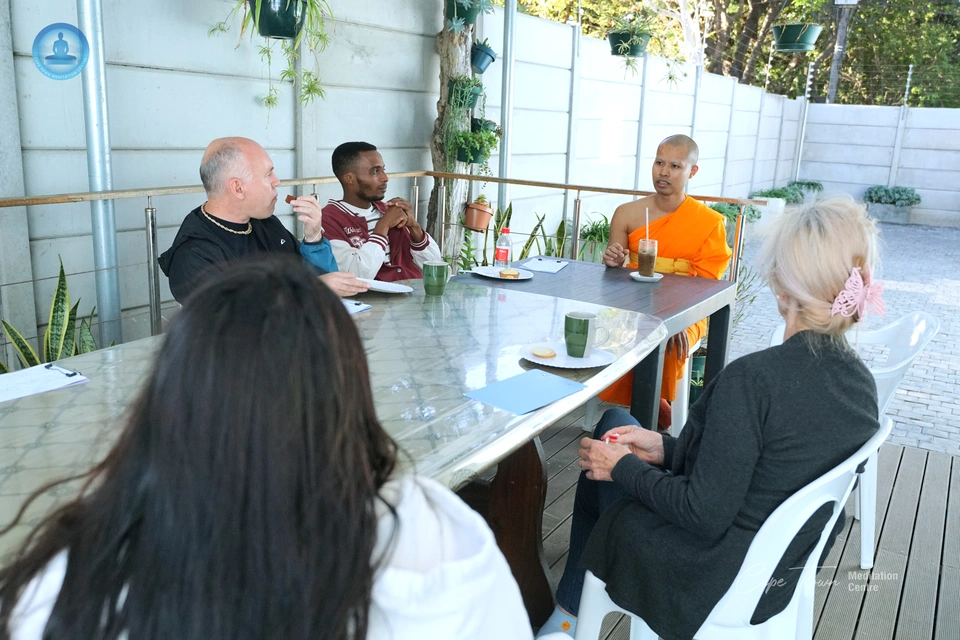
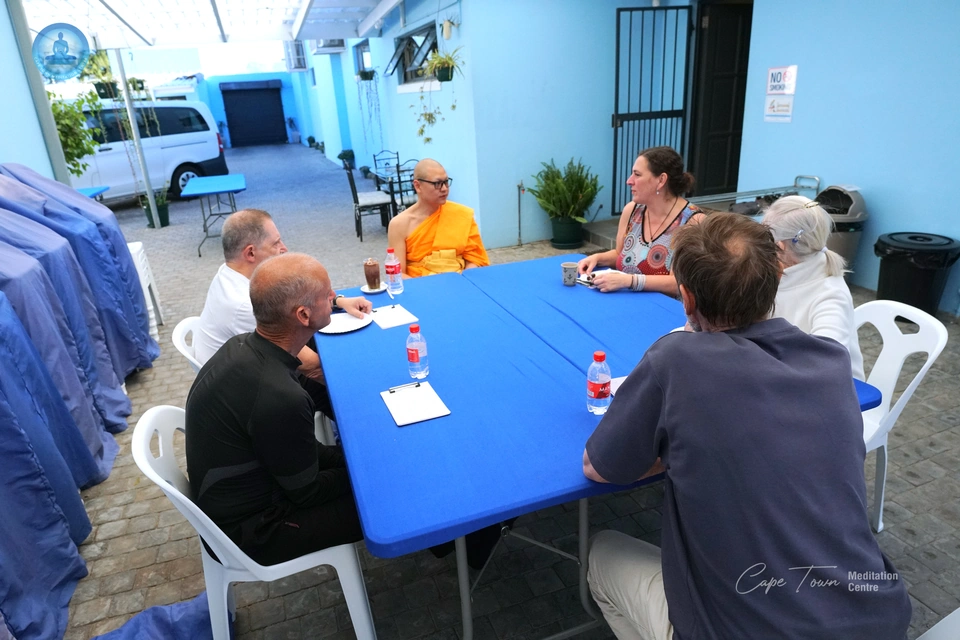
Throughout the retreat, participants shared stories of their meditation journeys — some practicing for over 30 years, others experiencing meditation for the very first time.
Despite different backgrounds, everyone shared a common aspiration:
to experience inner happiness and clarity
Meditation reminded us that beneath stress, busyness, and life challenges, the mind has a natural state that is already peaceful.
Meditation is simply the process of returning home.
Why Join a Weekend Meditation Retreat?
Many participants discovered benefits such as:
• reduced stress and mental tension
• improved emotional balance
• clearer thinking
• deeper sleep
• increased self-awareness
• greater compassion toward others
• renewed sense of purpose
But perhaps the most meaningful discovery was realizing that peace is always accessible.
It is closer than we think.
Join Our Next Weekend Retreat (Aug – Oct 2026)
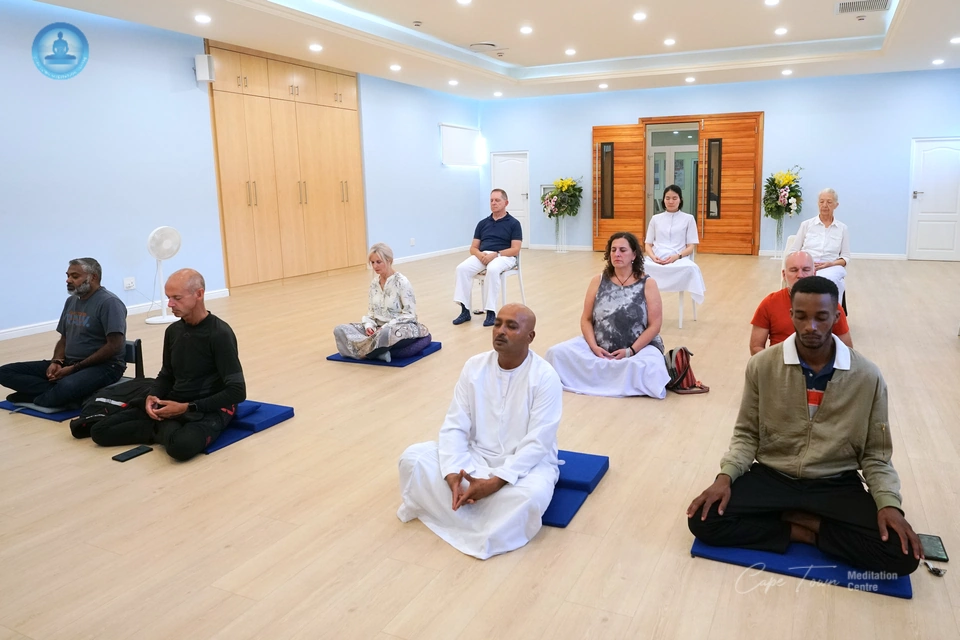
If you feel the need to reset your mind, reconnect with yourself, or simply experience a peaceful environment surrounded by supportive people, we warmly invite you to join our next Weekend Meditation Retreat between August – October 2026.
No prior meditation experience is required.
Whether you are completely new or already practicing meditation, the retreat provides a gentle and practical approach that can be integrated into daily life.
You will learn simple techniques that you can continue using long after the retreat ends.
📷 Image placeholder: peaceful meditation hall or smiling group photo
Final Reflection
Peace does not begin in the world.
Peace begins in the mind.
When the mind becomes still, wisdom arises.
When wisdom arises, compassion grows.
When compassion grows, the world becomes more peaceful.
Inner peace is not separate from world peace.
It is the beginning of it.
We look forward to meditating together again.
