Introduction
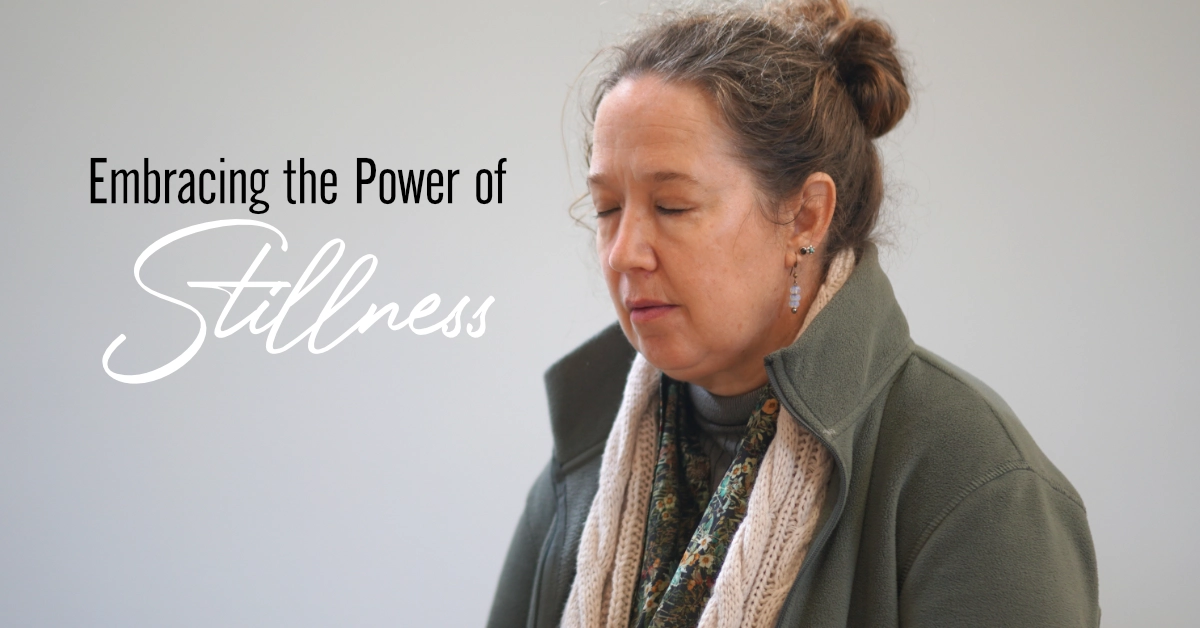
In an era that thrives on ceaseless activity, Meditation Day serves as a gentle reminder to pause, breathe, and let go. Celebrated globally on May 21st, Meditation Day aims to increase awareness about the immense benefits of this ancient practice that soothes the mind, body, and soul. The day promotes the importance of meditation and its valuable contributions to individual and societal wellness.
The Importance of Meditation
Meditation is more than just a relaxation technique; it’s a transformative practice that encourages personal growth and wellbeing. Here are the key reasons why meditation holds such importance in our lives:
- Stress Relief: Meditation is a powerful stress-buster. It promotes relaxation by lowering cortisol, the stress hormone, and enhancing the production of endorphins, the feel-good chemicals in our brain.
- Improved Mental Health: Regular meditation can help reduce symptoms of anxiety and depression. It instills a sense of calm and balance, promoting mental wellbeing.
- Enhanced Focus and Concentivity: By training your mind to focus and resist distractions, meditation can significantly improve your concentration levels.
- Increased Emotional Resilience: Regular practice helps you to develop emotional resilience, making it easier to navigate through the challenges of life.
- Mindfulness and Presence: Meditation cultivates mindfulness, enabling you to be more present and aware of the current moment, enhancing overall life satisfaction.
A Brief Look into the History of Meditation
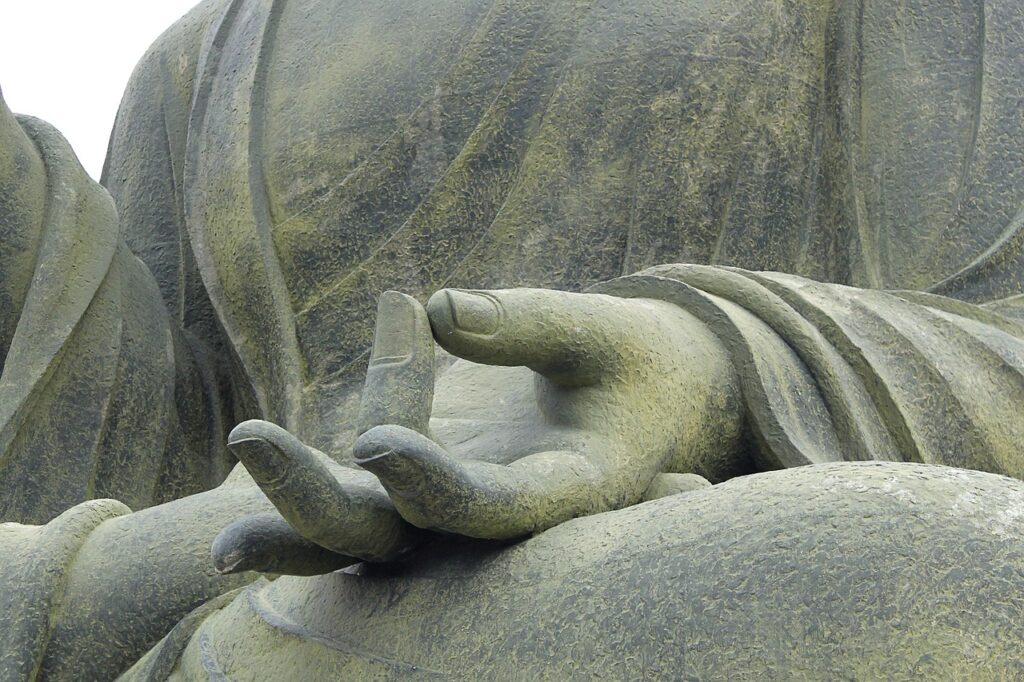
The roots of meditation trace back thousands of years, with archaeological evidence dating as far back as 5,000 to 3,500 BCE. The practice is believed to have originated in the Indus Valley Civilization, an ancient society in present-day South Asia.
The earliest written records of meditation (Dhyana), come from the Hindu traditions of Vedantism, around 1500 BCE. The practice subsequently spread to other cultures and continents, and by the 6th to 5th centuries BCE, it had permeated Taoist China and Buddhist India.
In the 20th century, meditation began to shift from a spiritual practice predominantly in the East to a more secular one, offering stress relief and relaxation in the Western world. Today, it’s practiced worldwide, transcending religious, cultural, and geographical boundaries.
An Easy Method to Meditate
If you’re just starting on your meditation journey, you may feel overwhelmed by the variety of techniques available. Here’s a simple method to help you begin:
Mindfulness Meditation
- Find a quiet space: Choose a quiet, peaceful spot where you won’t be disturbed for the duration of your meditation.
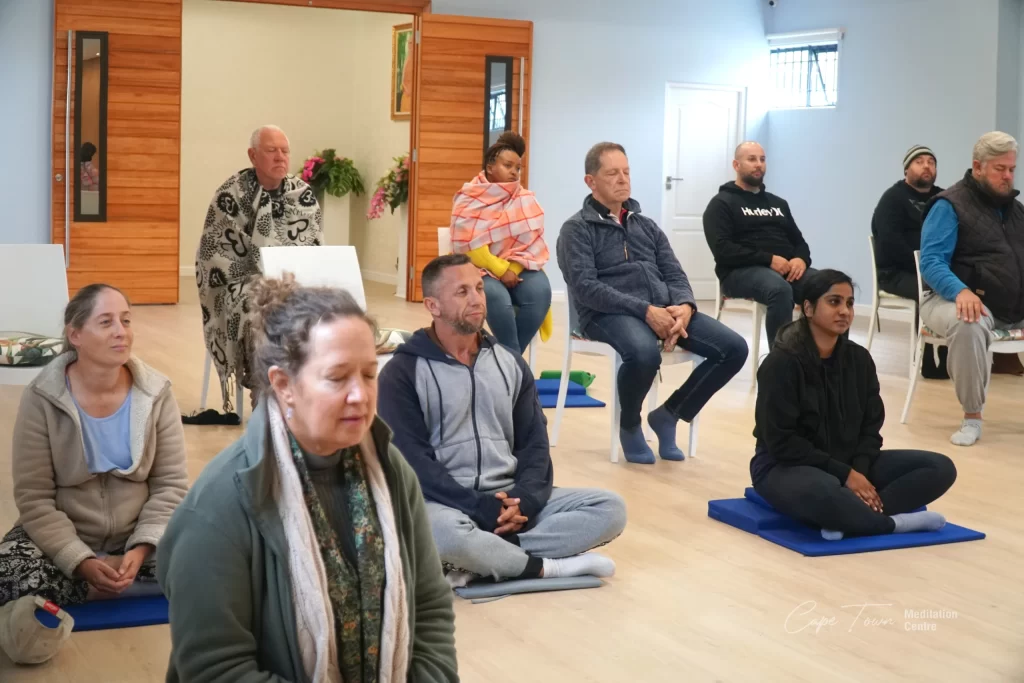
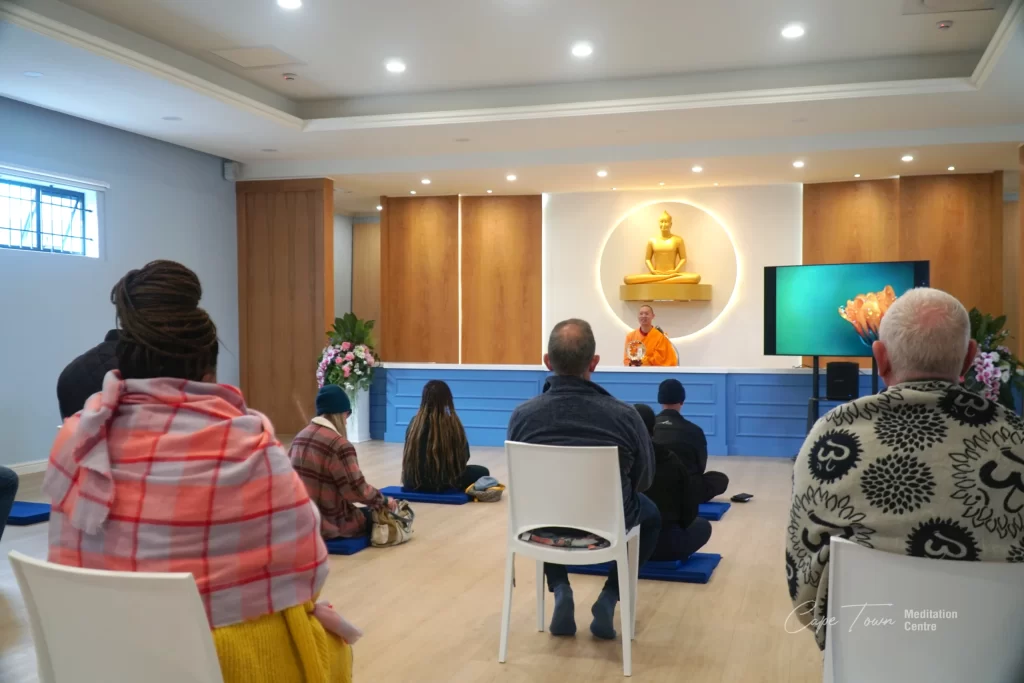
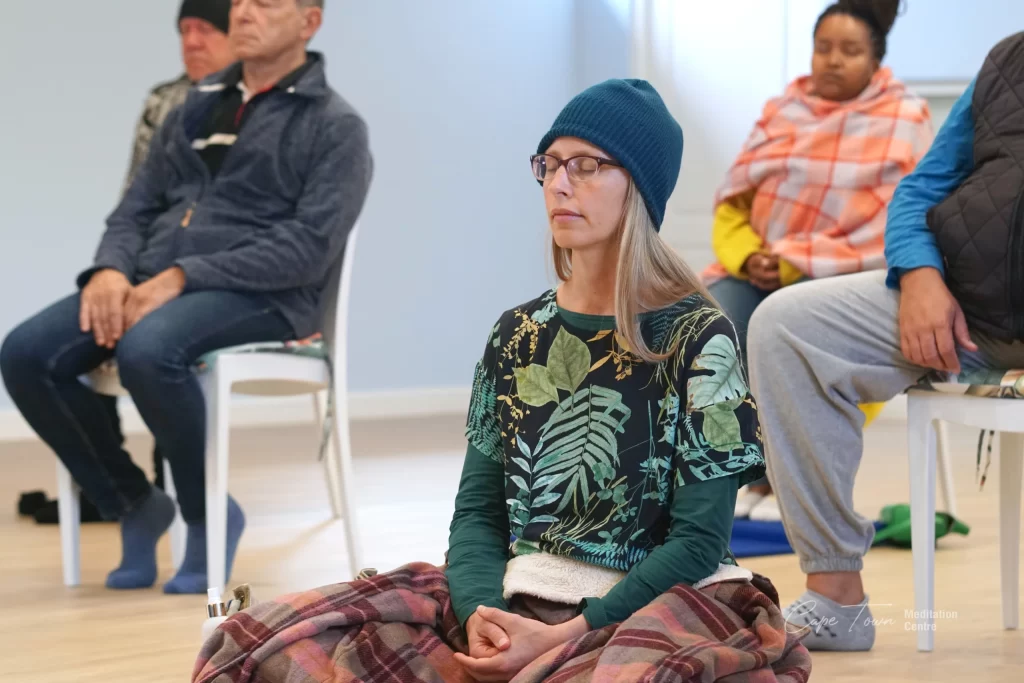
- Sit comfortably: Sit comfortably, either on a cushion on the floor with your legs crossed, or on a chair if that’s more comfortable. Maintain an upright posture, but make sure you’re relaxed and not rigid.
- Still your mind: There are many methods such as breathing, reciting the mantra, visualizing a clear object, or placing your feeling in your body. Select one that make you feel the most comfortable. Then close your eyes, bring your attention back inside yourself using your method continuously, be content, and not hurry. However, if you feel like your mind is still and don’t want to do anything, you can let it go and stay with the happiness and relaxation that you have.
- Observe your thoughts: While you meditate, you’ll notice thoughts, emotions, or physical sensations arising. That’s normal. The objective isn’t to completely empty your mind but to acknowledge these thoughts without judgement and return your focus to your method.
- Gently restart: Each time your mind wanders, gently bring your attention back to your method. There’s no need to criticize yourself; and remember, if you feel uncomfortable, you can open your eyes and look around or take a walk. When you are ready, just restart again. The practice is about returning to your way again and again.
- Gradually increase your meditation time: Start with just a few minutes each day. As you get more comfortable with the practice, you can gradually increase the time.
Conclusion
Meditation Day invites us to pause and immerse ourselves in the present moment. With its rich history and profound benefits, this ancient practice offers a sanctuary of calm in the chaos of modern life. Even if it’s just for a few minutes a day, make some time for meditation, and allow your mind, body, and soul to relish in the tranquility it brings. Remember, the journey of meditation is all about mindfulness and relaxation.


Pingback:What is the Key Element for a Successful Meditation Journey?