
International Nurses Day, celebrated annually on the 12th of May, is a day of immense significance, set aside to honor the tireless contributions and incredible efforts of nurses around the globe. It’s a day when we take a moment to appreciate the dedication, courage, and compassion that nurses embody, often in the face of adversity. This year, we turn our attention to the nurses of South Africa, delving into their unique challenges and achievements, and discuss the crucial role of self-care and meditation in maintaining health, both for nurses and the community at large.

Nurses in South Africa face a unique set of circumstances. The country’s healthcare system is characterized by a dichotomy of public and private sectors, often leading to disparities in resource allocation and healthcare delivery. With a large proportion of the population depending on the under-resourced public health sector, nurses often find themselves working in challenging conditions, with high patient-to-nurse ratios and limited resources.
South African nurses bravely battle on the frontlines, providing care to communities affected by diseases such as HIV/AIDS, tuberculosis, and more recently, COVID-19. Their commitment to their duty and their resilience in the face of adversity are testaments to their strength and dedication.
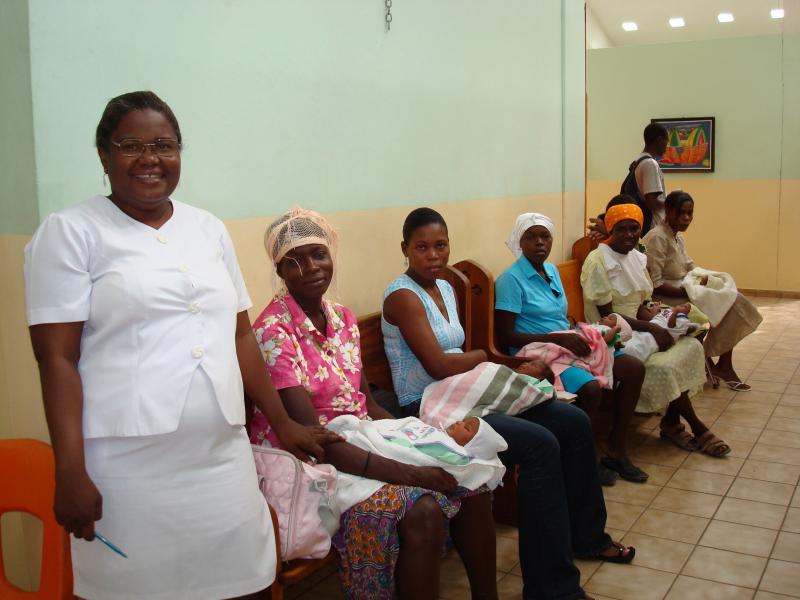
However, we must remember that nurses are not invincible. They are humans who need care and support too, especially considering the stress and pressure they experience in their line of work. This is where the importance of self-care and preventive health strategies come into play.
Preventing illness isn’t just about avoiding germs and eating well. It’s about maintaining a healthy mind and body, which can be achieved through various methods, including meditation. Meditation is an age-old practice with numerous health benefits. It reduces stress, improves concentration, encourages a healthy lifestyle, increases self-awareness, and even increases happiness.
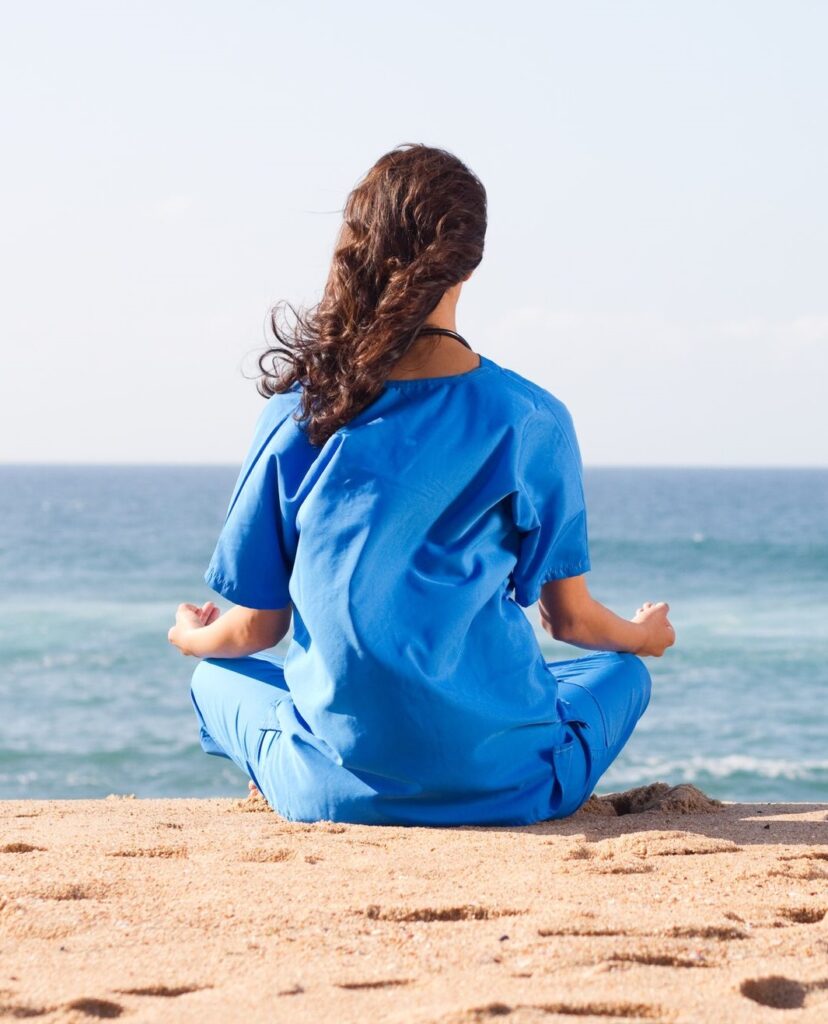
Incorporating meditation into our daily routine can help us reduce the risk of illness. It allows our bodies to rest and recuperate, strengthening our immune systems. For nurses, who often work in high-stress environments, meditation can provide a necessary respite, helping them manage their stress and maintain their mental wellbeing.
In South Africa, initiatives to incorporate meditation and self-care strategies into nursing curriculums and hospital routines are gaining traction. These interventions are aimed at reducing burnout and improving the mental health of these indispensable healthcare workers.
As part of the community, we can also contribute to reducing the burden on nurses by taking care of our health. By practicing good hygiene, eating healthy, exercising regularly, and incorporating practices like meditation into our lives, we can keep ourselves healthier, thus reducing the strain on the healthcare system.
International Nurses Day is a reminder of the invaluable service nurses provide to our communities. Let us honor them not just by expressing our gratitude, but by showing them that we value their health and wellbeing just as much as they value ours.
Our nurses, particularly those in South Africa and similar contexts, need our support and understanding, now more than ever. Let’s use this day to reflect on their contributions, their needs, and the ways we