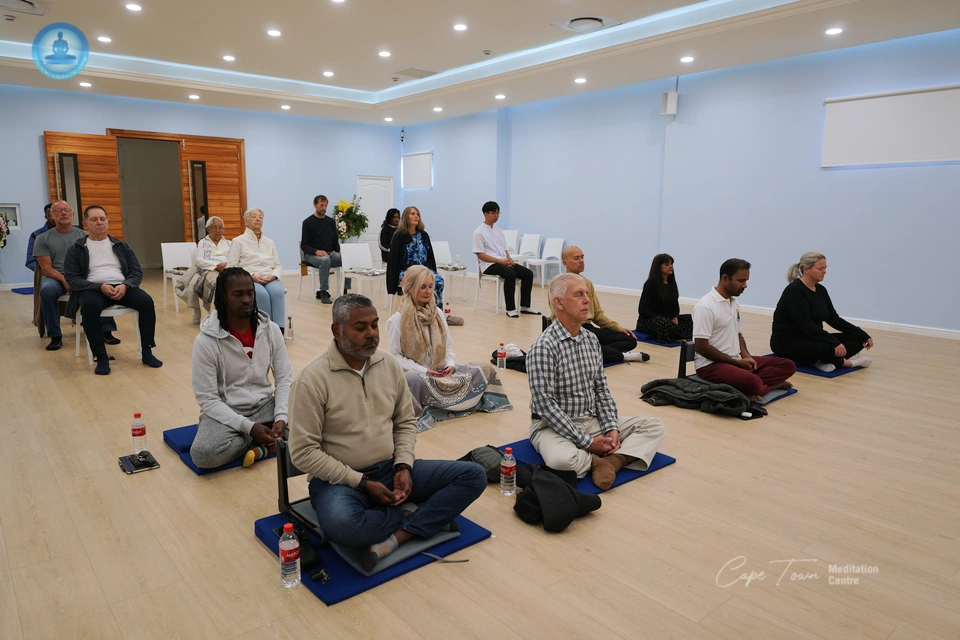
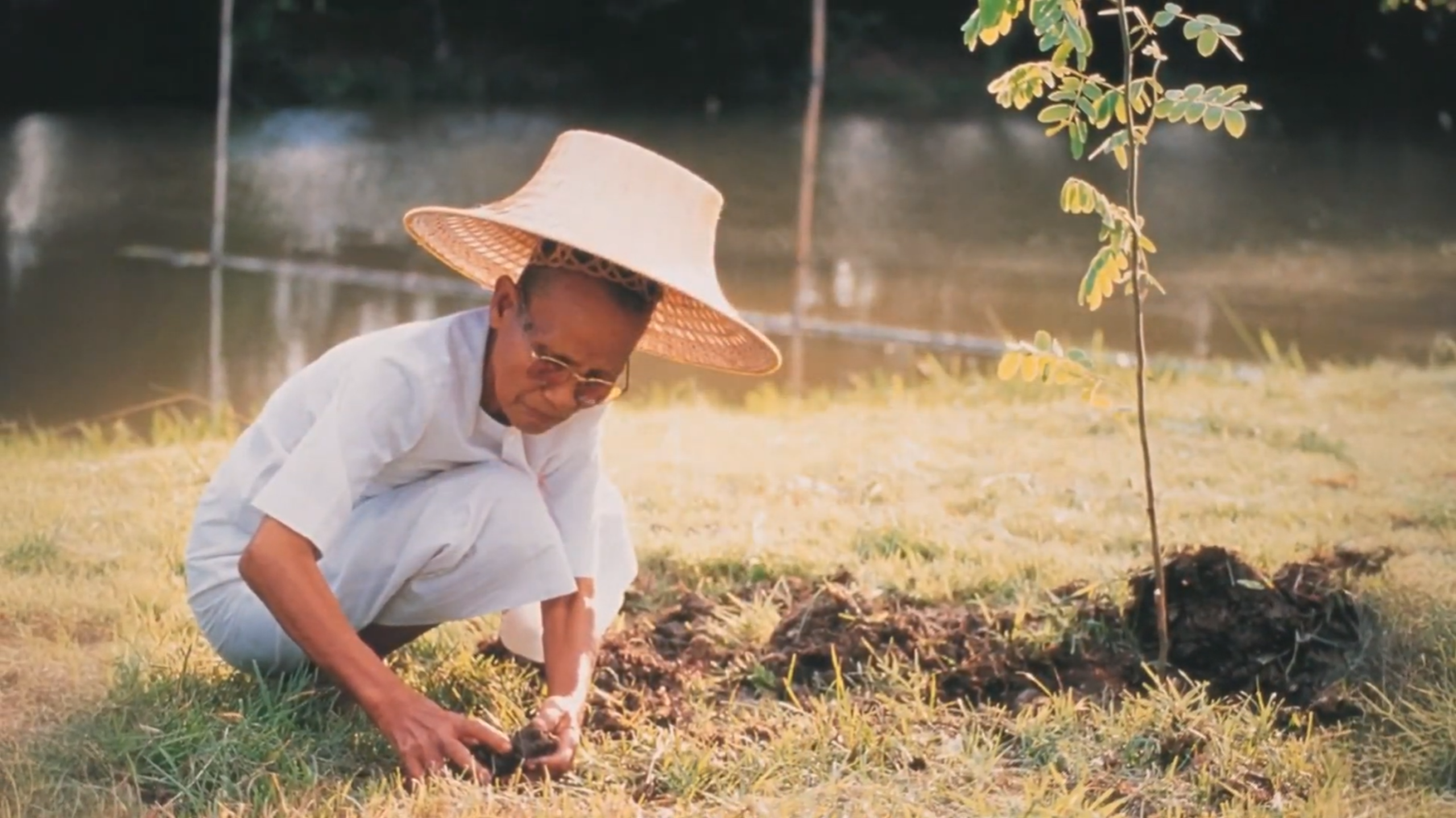
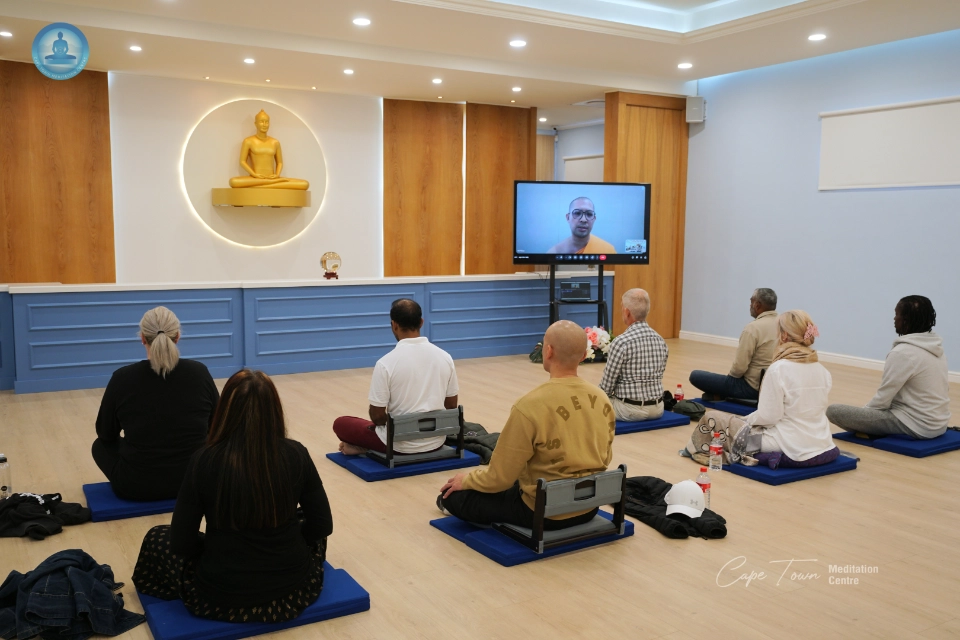
In a world that rewards the loudest voices and the biggest egos, we often forget that the most transformative power on Earth is humility. During a recent Dhamma Talk, Monk Magnum shared the remarkable journey of The Master Nun Chand Khonnokyoong—a small, quiet woman from a simple farming village who eventually founded Wat Phra Dhammakaya. Her disciples often refer to her as “Khun Yay Ajahn” or simply “Khun Yay,” which means “grandmother” in English.
The “Empty Cup” Philosophy
Khun Yay’s life was defined by the principle of the “empty cup.” If a cup is already full, it cannot receive any new water. Her life was an empty cup. Because she was humble, she could receive the highest wisdom. Because she was humble, she could move mountains.
Khun Yay was born into a family of farmers in a remote part of Thailand. Her ‘classmate’ was a rice field. From a very young age, she knew what it meant to work from sunrise to sunset. She knew the sting of the sun and the weight of the harvest. She realized that while her family was working hard for external wealth, no one was teaching her how to find internal wealth.
After her father’s death, she decided to go out and search for the truth. But there was a problem: in those days, a poor woman from the countryside had no easy path to spiritual education or to get close to a great meditation master in the city.
Meditation in the Mundane
Khun Yay applied for a job as a housemaid and worked in a wealthy household in Bangkok for many years. She was the woman who scrubbed the floors, washed the dishes, and cooked the meals. Imagine this: a woman with a brilliant spiritual mind spending her days doing the chores no one else wanted to do.
But Khun Yay had a secret. She used every chore as a form of meditation. When she swept the floor, she visualized she was sweeping the dust, greed, and anger out of her heart. When she washed the dishes, she was washing away her own pride. She was so humble and dedicated that her employers eventually came to respect her. They saw that she had a peace they couldn’t buy.
This leads to the lesson: Your job does not define your value; it is the heart you bring to your job.
The Path to Wisdom
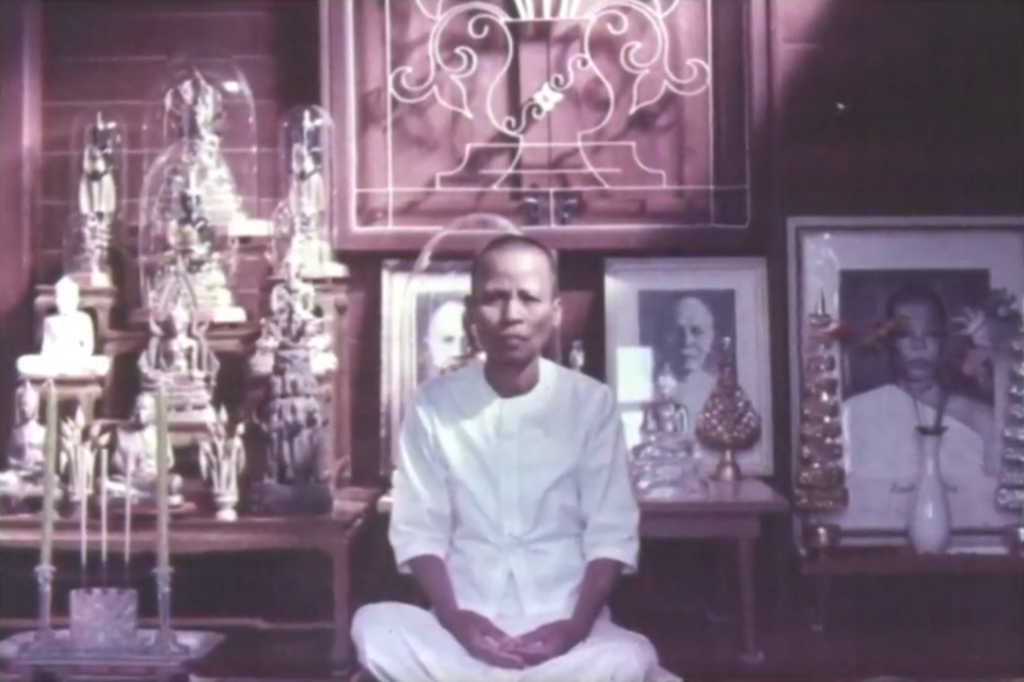
Eventually, she earned enough to start her path under the great master Luang Pu Sodh. She didn’t learn from books because she couldn’t read; she had to rely on her experience. She couldn’t memorize scriptures, so she had to memorize the feeling of peace in her heart. Because she had no academic ego, she didn’t argue with the teacher or try to sound clever. She simply listened and practiced.
One day, the master gathered all his students—many of whom were highly educated monks and scholars—and he pointed to Khun Yay. He said, ‘This woman is first among many.’ This was because Khun Yay had the humility to let go of herself. She proved that true wisdom is not about how much you can put into your head, but how much you can take out of your heart.
Building Wat Phra Dhammakaya
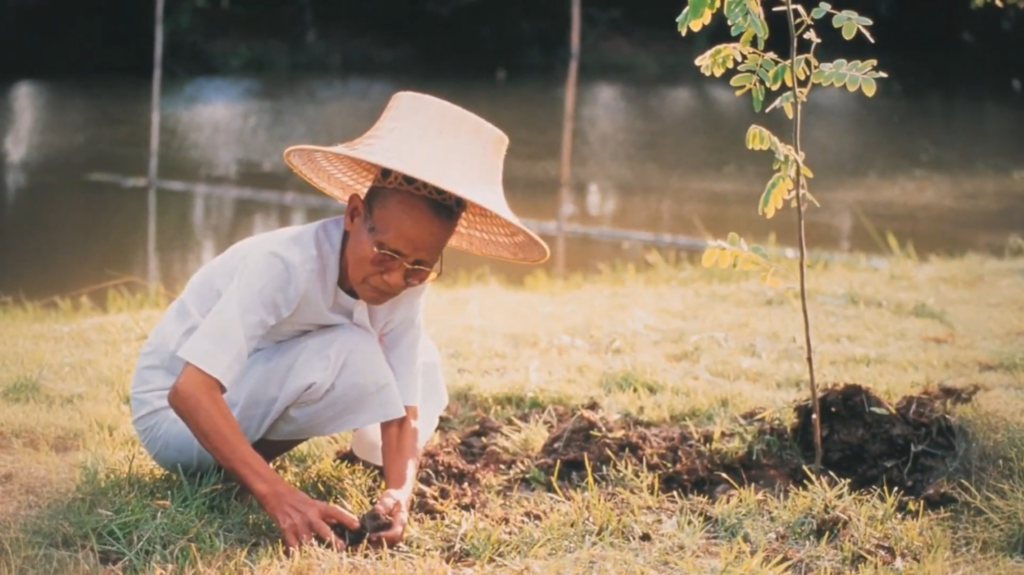
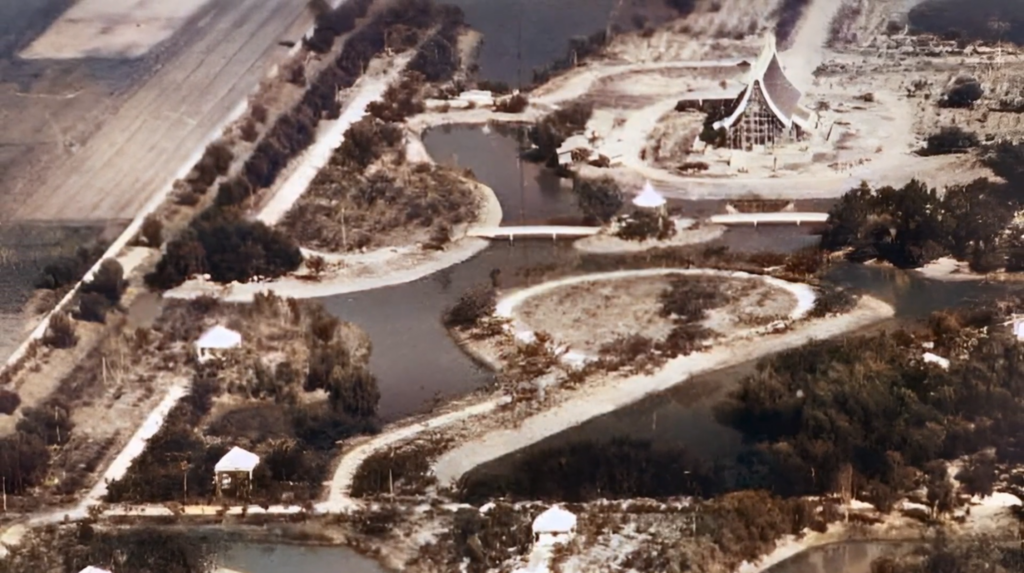
In 1970, when Khun Yay was already 60 years old, she began her greatest work along with her young student, who would later become Luang Por Dhammajayo. She decided to build a temple that would serve the entire world. They had no money—only 3,200 Baht (about $100)—and a piece of land that was just a swampy marsh.
She started by teaching her students how to sweep the floor. She taught them that if you want to build a grand temple, you must first know how to clean a toilet with a heart of joy. She led by example. Even in her seventies and eighties, you could find her picking up a single leaf from the ground.
Because she was humble, people were drawn to her. They didn’t see a CEO; they saw a grandmother who loved them. Thousands of people began to donate their time and money. Today, that marshland is Wat Phra Dhammakaya—a place where a million people can meditate together. It was built on the foundation of 3,200 Baht and a humble heart.
The Legacy
Khun Yay Ajaan passed away in the year 2000 at the age of 92. But her spirit is more alive than ever. She left behind a temple, yes, but more importantly, she left behind a way of living. She proved that a person who starts with nothing but a humble heart can change the destiny of millions. You don’t need a university degree to be a master of life; you just need a heart that is clean and clear.
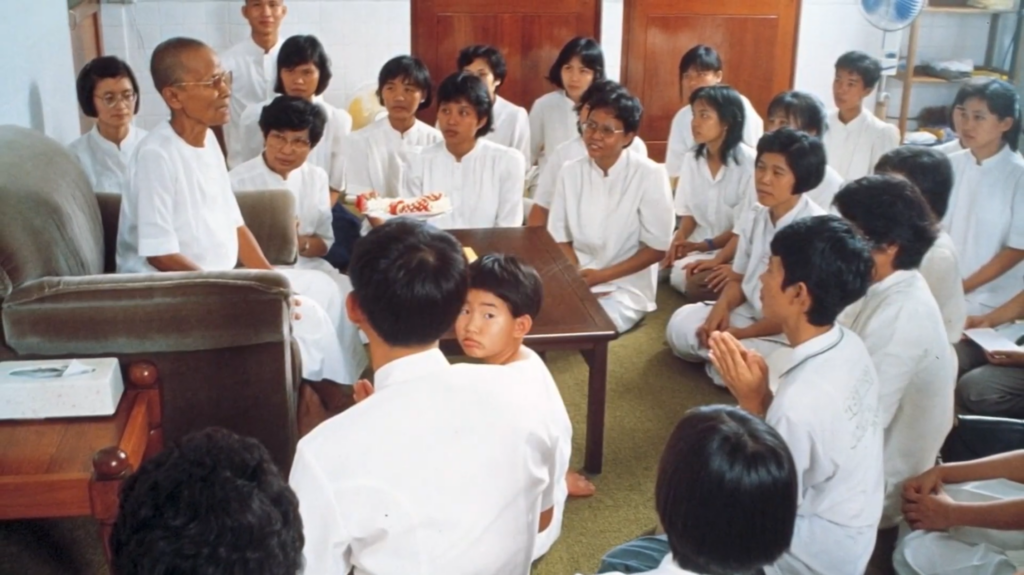
Khun Yay once said, ‘I have no letters, I only have the truth.’ May we all find that truth within ourselves. May we all find the greatness that lives within a humble heart.
Applying the Lessons: From Thailand to South Africa
Khun Yay’s life offers a powerful “spiritual roadmap” for navigating modern challenges, specifically within the context of South Africa. She taught that global or national peace is an “inside-out” process; if we desire peace in our streets and harmony in our communities, we must first cultivate peace within our own homes and respect for the smallest daily tasks. By viewing our environment as a reflection of our collective mind, we see that humility is not a sign of weakness, but a profound strength. It is the ability to be so internally secure that you no longer need to prove your worth to others, much like the earth that stays low yet supports every living thing.
Applying these lessons means breaking down the walls of pride that prevent us from truly hearing our neighbors. By adopting the “empty cup” mindset, we create the necessary space for understanding and reconciliation in a divided world. Khun Yay’s example proves that true value is not found in social status or academic titles, but in the sincerity and mindfulness we bring to our service. Ultimately, a humble heart serves as the foundation for both personal transformation and the healing of society at large.