
Introduction
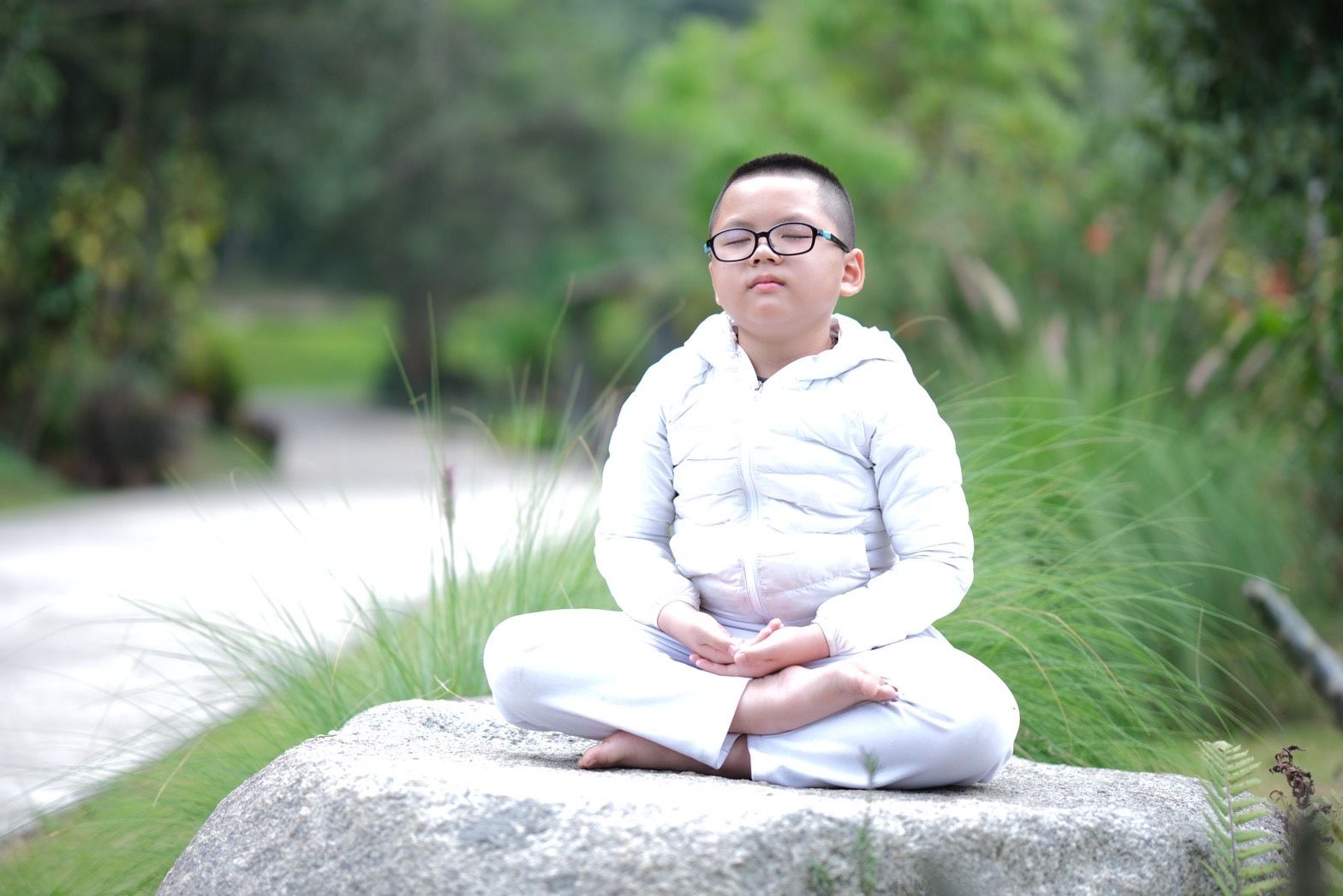
When it comes to meditation, adults often overcomplicate things. We analyze, expect, and try too hard. But if we look closely, we’ll see that children already know how to meditate—naturally and effortlessly.

How Do Children Meditate?
When you ask a child to close their eyes, they simply close them.
When you tell them to look at the center of their belly, they look—softly and without thinking.
They don’t force. They don’t analyze. They don’t expect results.
Their mind stops—just like that.
And that’s it. That’s the essence of meditation.
Becoming a Child Again
This is why Luang Por Dhammajayo often encourages practitioners to return to the mindset of a kindergartener.
In his guided meditations, he frequently uses the term “อนุบาล” or “kindergarten level”—not to belittle us, but to remind us of the pure and innocent approach that works best.
He teaches that even as adults, we can let go of our burdens, our cleverness, our overthinking—and adopt a gentle, innocent attitude.
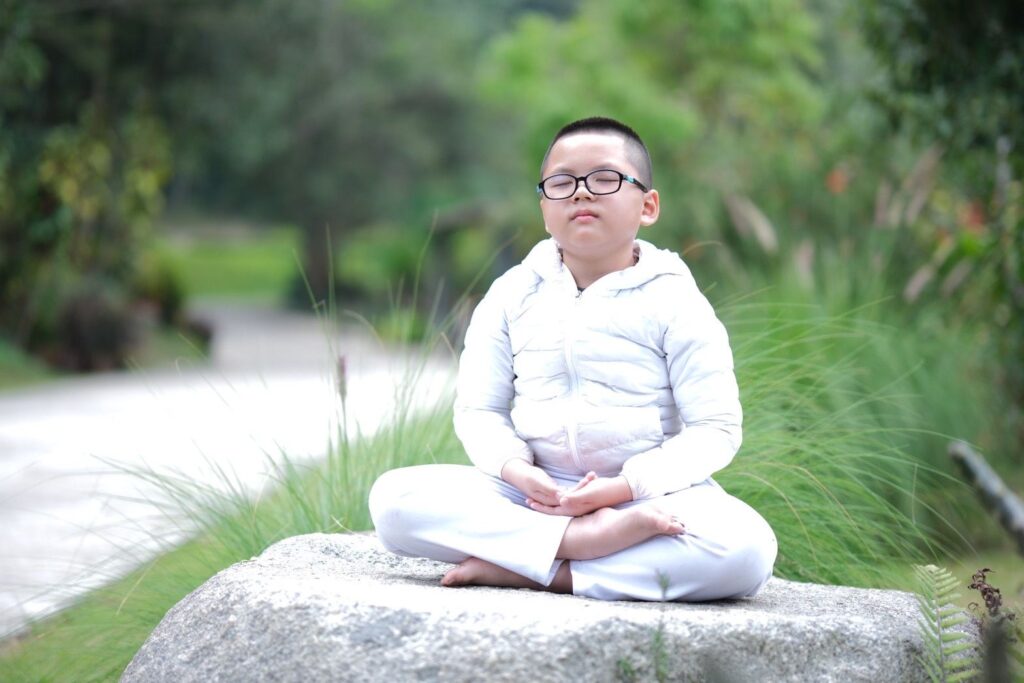
7 Teachings on the ‘Kindergarten’ Mindset in Meditation
- Let Go of the World: Just as children listen to their teachers without resistance, we should follow meditation instructions with a soft, trusting heart. Let the world fade away.
- No Thoughts, No Worries: Imagine being three, four, or five years old again. At that age, there are no heavy thoughts. Sit like that—lightly and without mental effort.
- Simply Watch: There’s nothing new to figure out. Watch softly, without analysis. Leave the advanced thinking for later.
- Drop the Doubt: Be like a robot without a brain—just follow the steps. No need to judge the experience or question if you’re doing it right.
- Stay Innocent: Even if you know something, pretend you don’t. Observe like a child seeing the world for the first time.
- Start Fresh: Even if you’ve practiced for years, start anew. Begin again at the kindergarten level—because doing it the right way from the start leads to real progress.
- Touch Peace: Sit with ease. Follow the method. And soon, like standing near a waterfall, you’ll feel the refreshing mist of inner peace.
Conclusion
Children don’t need to be taught how to stop thinking. They already know how. If we’re willing to humble ourselves and follow their lead, we can rediscover a path to stillness that is gentle, joyful, and deeply effective.
So the next time you sit down to meditate, don’t try too hard. Just be like a child—relaxed, innocent, and free.
