
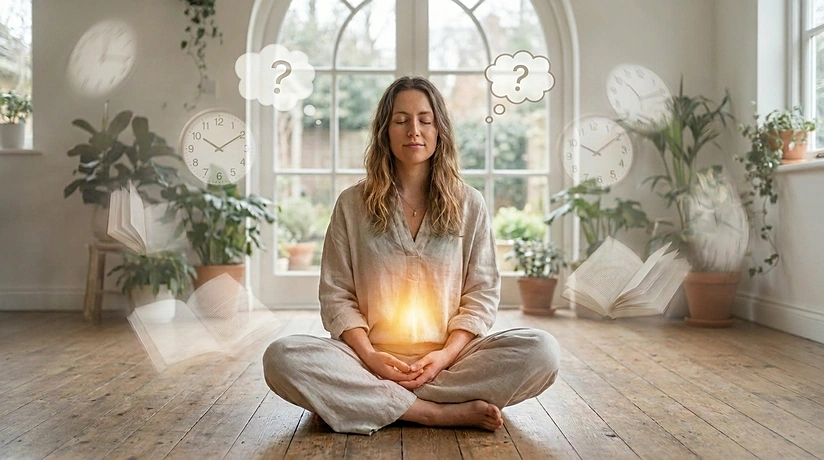
Many people begin meditating with sincere intentions, yet after weeks or even months, they wonder, “Why isn’t this working?”
Perhaps the mind never becomes peaceful. Perhaps meditation feels frustrating, or maybe you simply fall asleep every time you close your eyes.
The problem is often not meditation itself.
The problem is that we keep practicing according to our old habits.
Meditation Is Simpler Than We Think
Meditation is resting both the body and the mind while remaining awake and aware.
It is gently bringing the wandering mind back to stillness within ourselves.
Meditation is not forcing the mind to become quiet.
It is not staring intensely at one point until your head hurts.
It is not relaxing so much that you drift off to sleep.
Instead, meditation is finding the perfect balance between relaxation and mindfulness—feeling comfortable while remaining gently aware.
When we simply allow the mind to rest, something remarkable begins to happen.
After sitting quietly for a while, the mind naturally enters its own kind of self-care mode. It gradually becomes clearer, cleaner, and more peaceful. It restores positive energy, rekindles our enthusiasm for life, and connects us with an inner wisdom that gently teaches us what we need to know.
But many people never reach this stage because old habits keep pulling them away.
Three Common Meditation Habits
1. The Tense Meditator
Some people unknowingly force their meditation.
They try very hard to stop thinking. They concentrate intensely, hoping the mind will become still.
This habit often comes from everyday life. We work under pressure, push ourselves to perform, and expect immediate results. Without realizing it, we bring that same pressure into meditation.
The result?
A tight mind, tension, and sometimes even headaches.
What helps?
Lower your expectations.
Stop trying so hard.
Become familiar with simply sitting comfortably.
If you notice tension building, gently open your eyes for a moment, relax, and then continue with the same comfortable feeling when you close them again.
2. The Restless Meditator
Others are carried away by thoughts.
One thought leads to another, then another, until suddenly the meditation session is over.
The mind has spent all its energy thinking instead of resting.
What helps?
Don’t fight your thoughts.
Instead, gently interrupt them by opening your eyes.
A useful exercise is to count slowly from one to ten, open your eyes for ten seconds, then close them again. Repeat this around thirty times before returning to your normal meditation.
Notice how relaxed your mind feels with your eyes open, then recreate that same feeling when your eyes are closed.
Gradually, the mind discovers that happiness doesn’t have to come from thinking. It can arise from simple inner comfort.
3. The Sleepy Meditator
Some people feel comfortable almost immediately—and then fall asleep.
Opening and closing the eyes can also help increase mindfulness for this group.
However, meditation is only part of the solution.
You should also examine your daily habits.
Are you getting enough sleep?
Are you eating moderately?
Do you avoid screens before bedtime?
If your body is exhausted, it will naturally fall asleep whenever it has the chance.
Good meditation begins with good self-care.
Meditation Reflects Daily Life
The habits we bring into meditation usually come from the way we live.
If you are often tense during meditation, perhaps you are also overly serious, strict, and demanding in everyday life.
Practice becoming more relaxed, flexible, and gentle—not only while meditating but also in your conversations and relationships.
If your mind constantly wanders during meditation, notice how often it wanders during the day.
Many of us spend every spare moment scrolling through social media, reading endless news, or thinking about other people’s lives.
Instead, try spending more time with the present moment.
Be fully with your work.
Be fully with the person in front of you.
Be fully with yourself.
If you often become sleepy during meditation, caring for your physical health becomes equally important. Quality sleep, balanced meals, and healthy routines all support a peaceful mind.
Create New Habits
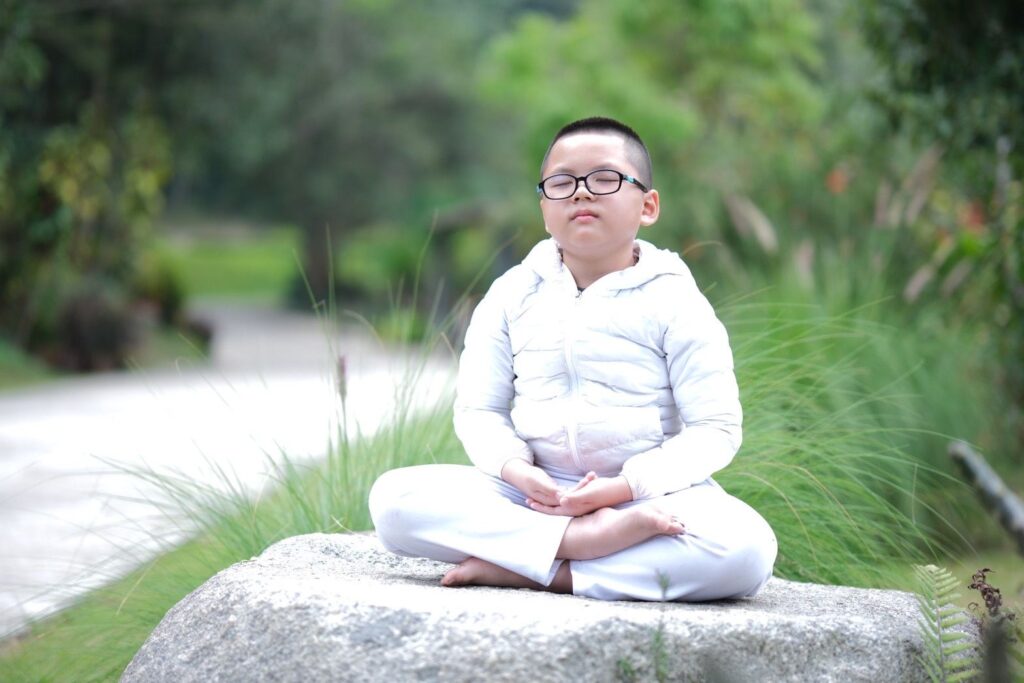
The good news is that habits can change.
No matter how long you’ve practiced incorrectly, you can always begin again.
Luang Por Dhammajayo once taught:
“Habit will always make us unknowingly return to the wrong method. We must always be ready to become a new person and begin again.”
Whether you have meditated for one month, one year, or many years, don’t be afraid to start fresh.
Observe your habits honestly.
Patiently replace old patterns with better ones.
Little by little, the right way becomes your new habit.
Meditation Is More Than Closing Your Eyes
Meditation is not simply sitting with your eyes closed.
It is a lifelong practice of developing healthier habits, greater mindfulness, and a kinder relationship with yourself.
As your habits improve, your meditation improves.
And as your meditation improves, your whole life begins to change.
Today is always a good day to begin again.
