
Based on various surveys and reports, it can be estimated that the number of people practicing meditation has increased significantly in recent years. The COVID-19 pandemic and the resultant stress and anxiety have likely contributed to the growing popularity of meditation.
People from all age groups and backgrounds have been adopting meditation as a way to improve their mental health and manage stress. With more research being conducted on the benefits of meditation and its endorsement by celebrities, it is likely that the number of people practicing meditation will continue to increase in the coming years.

Meditation has been a popular trend in recent years, especially from 2020 to 2022. Here is a summary of the key developments in the meditation trend during this period:
- Increased Popularity: Meditation has gained significant popularity among individuals seeking to manage stress, improve mental well-being, and increase focus and productivity.
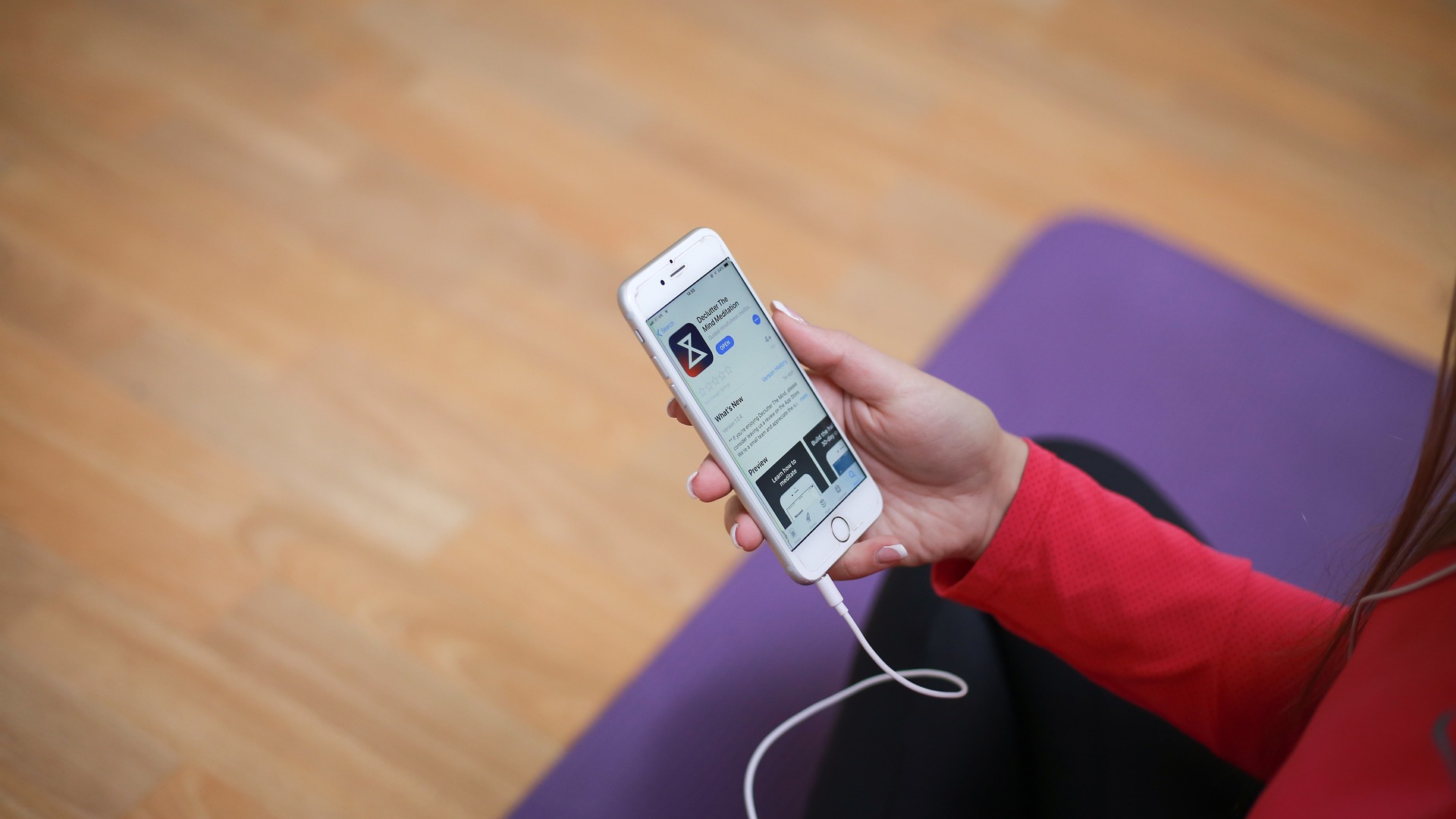
- Technological Advancements: There has been a rise in the development of meditation apps and technology, making it easier for individuals to access and practice meditation.
- Workplace Integration: Many companies have started incorporating meditation into their workplace culture, recognizing its benefits for employee health and productivity.
- Scientific Research: Numerous studies have been conducted on the benefits of meditation, providing scientific evidence to support its popularity and effectiveness.
- Diversity and Inclusivity: There has been a push for making meditation more diverse and inclusive, with the creation of new techniques and styles that cater to different cultural backgrounds, spiritual beliefs, and lifestyles.
- Celebrity Endorsements: Meditation has been widely endorsed by celebrities, adding to its cultural impact and popularity.
Overall, meditation has become a mainstream trend, with millions of individuals reaping the benefits of this ancient practice. With continued advancements and interest, it is likely to remain a popular and growing trend in the years to come.
by chatGPT
