Water, even in a small amount, can fill a cup completely.
But countless amounts of water cannot fill the vast ocean.
In the same way, a small amount of wealth can make a contented person feel full of happiness.
But no matter how much wealth an uncontented person has, their heart still burns with restlessness and endless desire.
Contentment means being happy with what we have and who we are. It means knowing what is enough—not too little and not too much.
In Buddhism, this is called santosa or santutthi, and it has three qualities:
- Joy in what we already have
- Joy in what we receive
- Joy with a steady, balanced mind

1. Joy in What We Already Have
This means appreciating what already belongs to us—our parents, our family, our work, our country.
Even if things have flaws, we slowly improve them instead of trying to take what belongs to others.
For example, a simple shoemaker on the roadside who loves his work, does it with care, and stays diligent will naturally progress. Contentment becomes fuel for effort.
When you are happy with what you have, laziness and envy fade away.
2. Joy in What We Receive
This means being happy with the results of our efforts.
You give your best, and whatever you get—you accept with ease.
Not nervous, not worried, not trying to use tricks, lies, or force to get more.
People who lack this quality always look down on their own fortune. They dislike what they have but love what they failed to get.
There is a fisherman who keeps thinking the fish that slipped away is always bigger and tastier than the one in his hand. In the end, he keeps eating the fish he dislikes while longing for the one he never caught.
3. Joy with a Balanced Mind
This means not being too excited when things go well and not too discouraged when things do not go your way.
If humanity had this kind of contentment, the world would be a calmer place, and our resources would be enough for everyone.
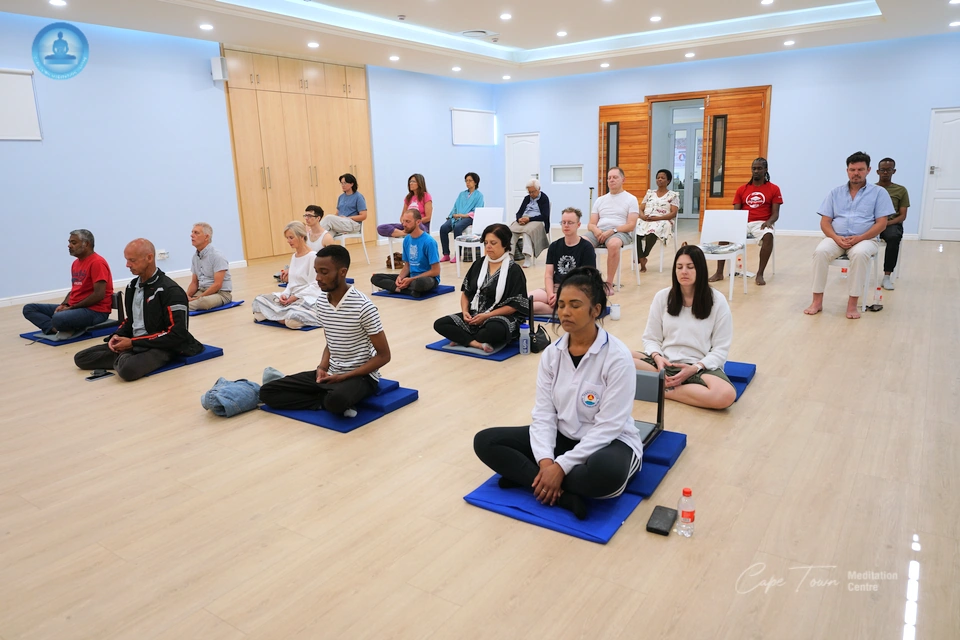
How Contentment Helps Meditation
Now, look at your life. Are you content?
Do you appreciate what you have, what you receive, and do you stay balanced?
This deeply affects meditation.
People often bring their habits into their practice.
Those who are always rushing will also meditate with impatience.
But a person who is naturally content meditates with ease.
Contentment makes us open to every experience—pleasant or unpleasant—without struggle or tension.
You do not have to master contentment in daily life first.
If you can learn to be content during meditation, you will naturally bring it into your everyday life.
A Simple Practice of Contentment
Close your eyes.
Whatever you feel—be content with it.
If there is discomfort in the body or some wandering thoughts, still be okay with it.
At least it is not worse than this.
Gently open your eyes.
You will realize something important: you don’t have to do anything more.
You don’t have to struggle or search for something else.
Like a runner who finds the finish line moving toward him—you simply stop running and stand still.
In this state, thoughts naturally become quiet.
Contentment ends all questions:
“Am I doing it right?”
“Should I be seeing something?”
“Do I need more concentration?”
When contentment arises, the mind becomes free—calm, happy, and effortless.
Bringing Contentment into Daily Life
Use the same feeling of contentment from meditation in your daily life.
Be content with your situation in that very moment, and happiness arises right away.
If you are someone who overthinks, try being content with your life as it is—you will feel better immediately.
If you try your best and are content with your effort, you won’t feel inferior even if others criticize you.
May you discover the middle way through contentment.
May you be happy every day.

