

Meditation can feel simple in theory, yet challenging in practice. To make it easier, you can follow the 4C Method — four essential elements that support and sustain meditation: Consciousness, Comfort, Consistency, and Consideration.
1. Consciousness — Being Present
In Thai, we call this sati — knowing what you’re doing right now.
The biggest challenge for most people is the wandering mind. Thoughts pull us away before we even notice. But awareness can be trained.
How to practice:
- Bring your attention inside your body, anywhere that feels comfortable.
- Rest your mind there gently — like a feather landing on still water.
- If you can’t find a spot, choose one (such as the center of the body, two finger-widths above the navel) and imagine a soft feeling or gentle light there.
- You may also watch your breath or be aware of your senses, then let them go.
Over time, the mind becomes familiar with stillness and stays there longer. If you drift away, simply return — without forcing.
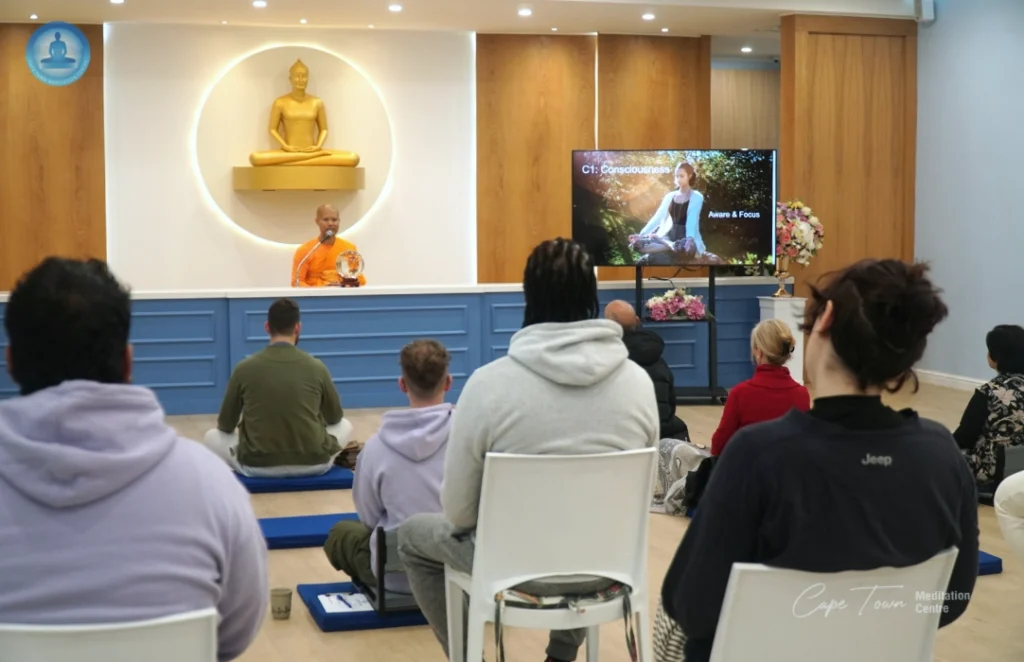
2. Comfort — Sabai in Body and Mind
Comfort (sabai) means a state that is beneficial, relaxed, and pleasant. It includes both physical ease and mental lightness.
Why it matters:
A comfortable body supports a calm mind. Discomfort becomes a distraction.
How to create comfort:
- Choose a sitting position you can maintain with ease — on the floor, cushion, or chair.
- Keep your back straight, neck aligned, and shoulders relaxed.
- Adjust quietly if you feel tension — comfort is more important than “enduring” pain.
- Keep a gentle attitude, like being “off-duty” from worries.
Balance comfort with mindfulness. Too much comfort may lead to sleepiness; too much focus can create tension.

3. Consistency — Daily Practice
Meditation is like lighting a fire with ancient tools: you must keep rubbing the sticks without stopping. Practicing only once in a while won’t build depth.
How to build consistency:
- Start small — just 5–10 minutes a day.
- Pick a regular time, such as morning before work or evening before bed.
- Treat it as a habit, not an occasional activity.
Consistency is the foundation that allows comfort and concentration to grow naturally.
4. Consideration — Check and Improve
After each session, reflect on how it went. This is not about judging yourself, but learning.
Three common obstacles to check for:
- Physical stiffness — back, legs, or neck discomfort.
- Sleepiness — from fatigue or heavy meals.
- Wandering thoughts — the “monkey mind.”
When you notice recurring challenges, adjust your approach next time.
Three Techniques for a Resting Mind
To overcome obstacles and settle the mind, try:
- Visualization — imagine a crystal ball, the sun, or any peaceful image inside your body.
- Mantra — silently repeat calming words, such as clear and bright.
- Emptiness — feel as if your body and mind are completely empty.
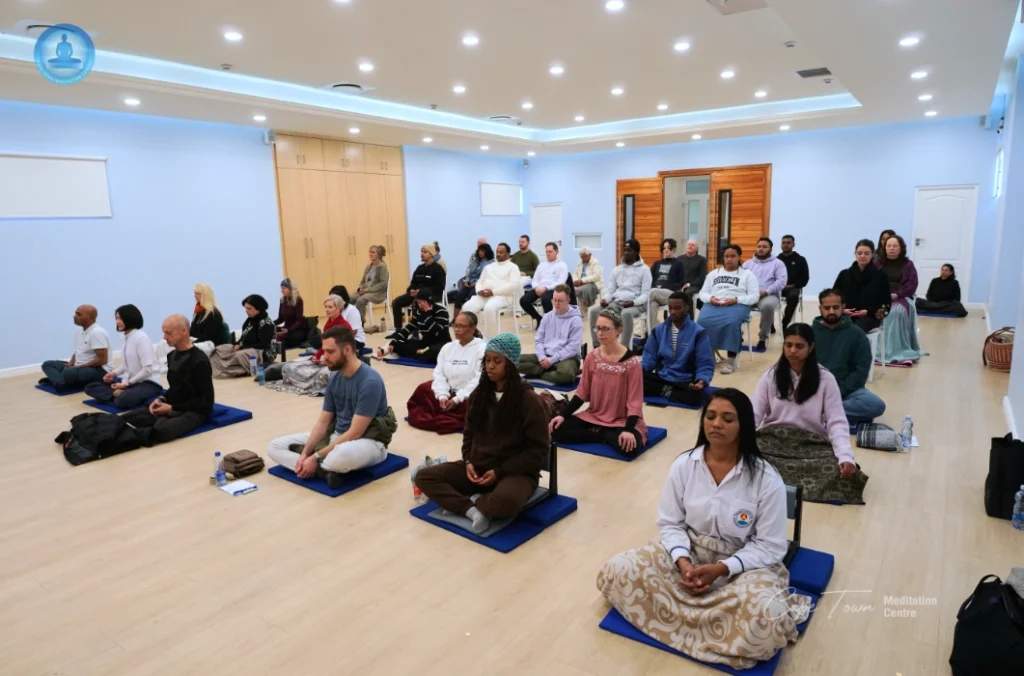
Experiment and find the method that suits you best.
Final Thought
Meditation is 1% theory and 99% practice. These four pillars — Consciousness, Comfort, Consistency, and Consideration — are your compass. Follow them patiently, and the mind will naturally find its way to stillness and peace.
