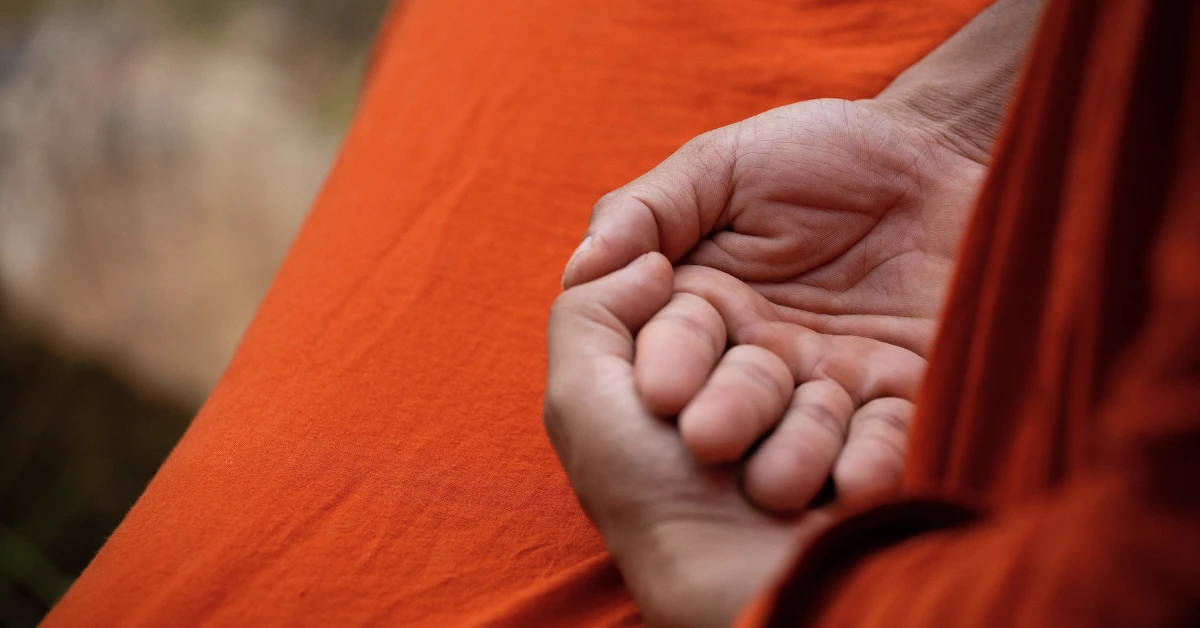
Khao Phansa, often translated as Buddhist Lent or the Rainy Season Retreat, is one of the most meaningful traditions in Buddhism. While it began as a practical rule for monks over 2,500 years ago, its deeper message remains surprisingly relevant for all of us today—whether we are monks or laypeople, Buddhists or non-Buddhists.
The Thai word “Khao” means to enter, while “Phansa” refers to the rainy season. Together, Khao Phansa marks the beginning of a three-month retreat during which Buddhist monks remain at one temple to devote themselves to meditation, study, and spiritual practice.
A Tradition Born from Compassion
During the Buddha’s lifetime, monks traveled everywhere on foot, walking from village to village to teach meditation, wisdom, and peaceful living.
When the annual monsoon arrived, however, the landscape changed dramatically. Farmers planted young rice seedlings across muddy fields, while countless insects emerged with the rain. Continued travel risked damaging crops and unintentionally harming small living creatures.
Seeing this, the Buddha established a compassionate rule. Monks would remain in one monastery throughout the rainy season rather than continue traveling. Instead of journeying across the countryside, they would begin a far more important journey—one into their own minds.
This is the true beginning of Khao Phansa.
From Outer Travel to Inner Travel
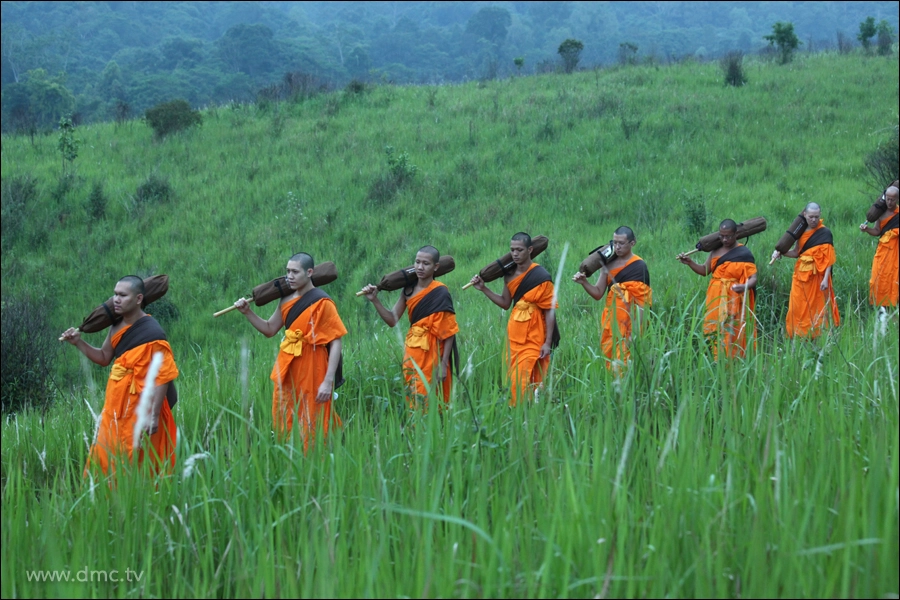
For three months, monks dedicate themselves to intensive meditation, deeper study of the Dhamma, and stronger discipline.
Although the body remains in one place, the mind continues its greatest journey—discovering greater peace, wisdom, and compassion.
More than two thousand years later, hundreds of thousands of Buddhist monks around the world continue to observe this sacred retreat.
Khao Phansa Is Not Only for Monks
Many people think this tradition belongs only inside monasteries.
In reality, Khao Phansa offers an opportunity for everyone.
You don’t need to shave your head or wear robes to enter your own retreat.
Khao Phansa is simply a dedicated season to improve yourself.
It is a time to make one sincere resolution that will make your life happier, healthier, and kinder.
A Beautiful Example from Luang Pu Wat Paknam
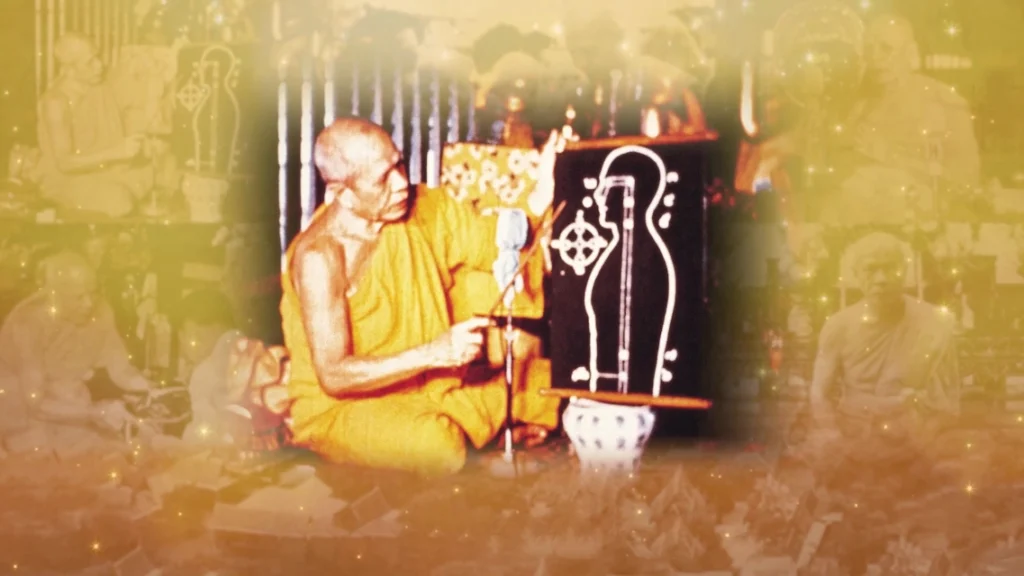
One inspiring example comes from Luang Pu Wat Paknam, the great meditation master who rediscovered the Dhammakaya meditation method.
At the beginning of every Khao Phansa retreat, he gathered all the monks and novices together.
One by one, each person stood before the community and publicly declared one positive practice they would keep every day for the next three months.
Some promised:
- “I will meditate four hours every day.”
- “I will not speak words of anger.”
- “I will eat only one meal each day and share the rest.”
Why make the promise publicly?
Because a commitment spoken aloud becomes stronger than a private wish.
When we only think about doing something good, it is easy to give up when life becomes difficult. But when we make a firm resolution, we create a powerful anchor for our minds.
The Power of Resolution
In Buddhism, this quality is called Adhitthana—firm determination.
It is the strength to keep a promise to yourself even when your emotions change.
Think about these everyday examples:
- You tell yourself you’ll start exercising tomorrow—but when morning comes, staying in bed feels easier.
- You promise to stop complaining—but after a stressful day, old habits return.
- You decide to meditate—but your phone suddenly seems much more interesting.
Without determination, our temporary feelings often become stronger than our long-term goals.
But each time we keep a promise to ourselves, we build something even more valuable than success—we build self-respect.
A mind filled with self-respect naturally becomes calmer, clearer, and stronger.
Eventually, we become the master of our habits instead of their servant.
Your Personal Three-Month Retreat
This Khao Phansa, why not make one meaningful promise to yourself?
It doesn’t need to be dramatic.
Choose something realistic that you can practice every day for three months.
For example:
- Stop complaining.
- Give up alcohol.
- Speak more kindly to your family.
- Wake up 30 minutes earlier to read something inspiring.
- Spend less time on your phone.

Or perhaps the most transformative resolution of all:
Meditate for just 15 minutes every day.
You don’t need to meditate for hours.
Simply sit quietly, close your eyes, let go of distractions, and gently rest your mind at the center of your body.
Fifteen minutes every day can gradually transform the quality of your life.
Small Daily Habits Create Great Change
Modern neuroscience shows that repeated daily practice helps build new neural pathways in the brain.
Three months is an ideal period to establish healthy habits.
As meditation becomes part of your daily routine, you’ll likely notice that:
- Stress becomes easier to manage.
- Patience naturally increases.
- Emotional burdens become lighter.
- Inner peace becomes easier to access.
- Your mind becomes a quiet refuge, even during busy days.
More Than an Ancient Tradition
For Buddhist laypeople, Khao Phansa is often celebrated by making merit, offering candles and bathing robes, listening to Dhamma talks, joining candlelight processions, and practicing the Five Precepts whenever possible:
- Refraining from harming living beings
- Refraining from stealing
- Refraining from sexual misconduct
- Refraining from false speech
- Refraining from intoxicants
These precepts are not commandments imposed by force. They are voluntary practices that help us cultivate wisdom, compassion, and harmony—for our own well-being and for the benefit of society.
Plant the Seed of Inner Peace
The deepest meaning of Khao Phansa is not simply remaining inside a temple.
It is learning to remain peacefully within our own minds.
Every act of kindness, every moment of mindfulness, and every meditation session plants a seed.
If you nurture that seed every day for three months, it will grow into a strong tree of inner peace—one that brings shade not only to yourself but also to everyone around you.
This Khao Phansa, perhaps the most important question is not “What ceremony will I attend?”
Instead, ask yourself:
“What promise will I make to become a better version of myself?”
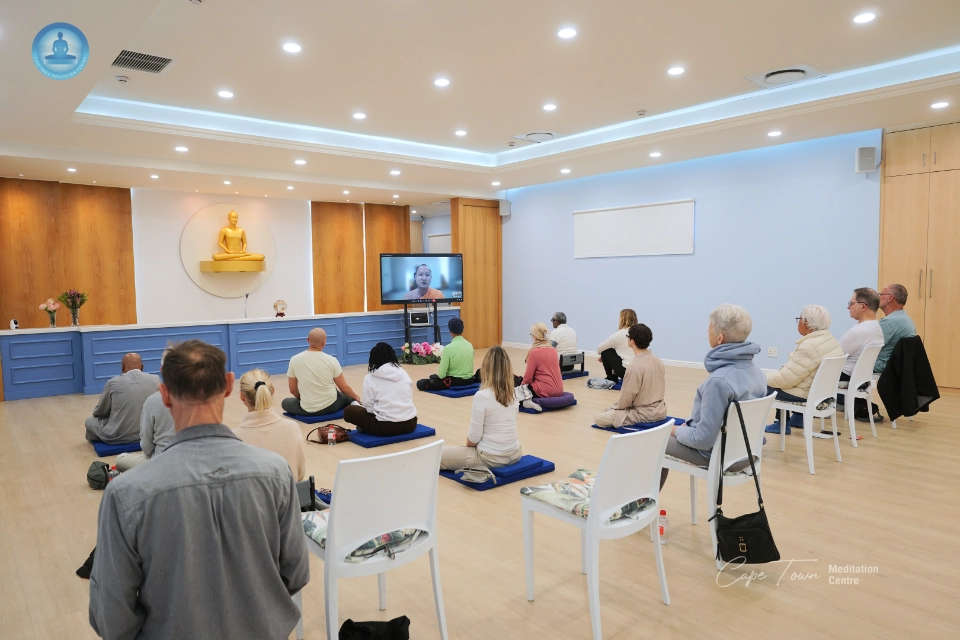
We’re introducing the Still Mind Challenge—a simple 15-minute daily meditation program during this Vassa (Buddhist Lent). Join the Cape Town Meditation Centre community and practice together with us.

Thank you for this opportunity.