
Have you ever wondered how something small can eventually become something great?
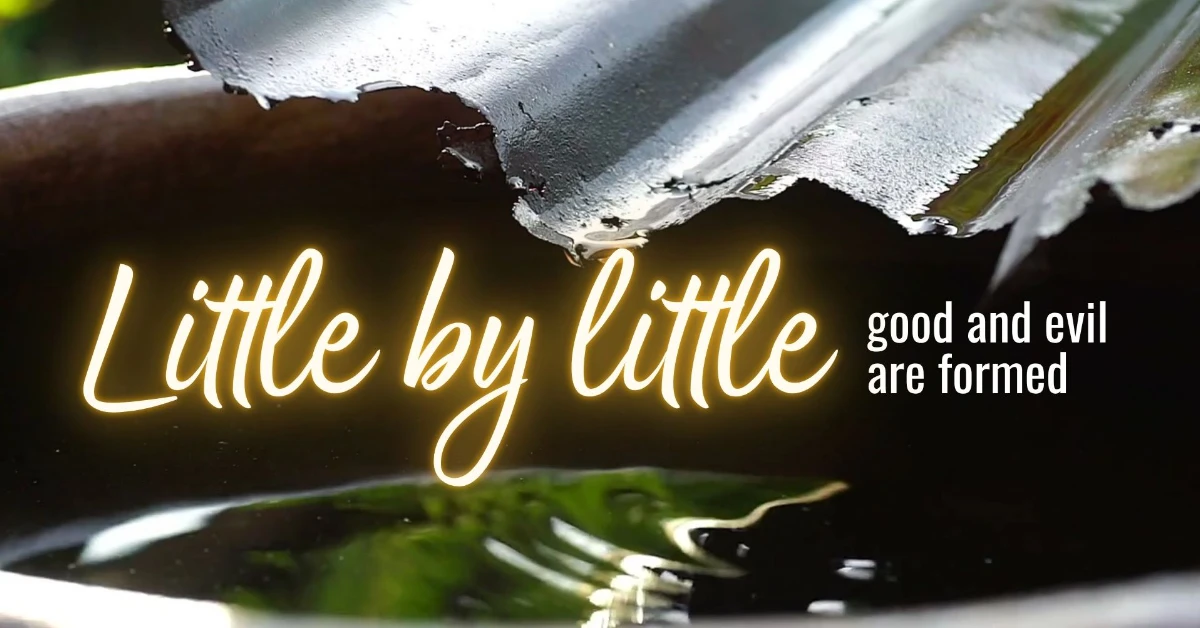
Imagine placing a large pot outside on a rainy day. The rain falls gently, drop by drop, just like the soft, steady rain we sometimes experience here in Cape Town.
At first, there may be only a few drops in the pot. It hardly seems to make a difference.
But if the rain continues to fall, drop by drop, what will eventually happen?
The pot will become full.
This simple image gives us an important lesson about life: things accumulate little by little.
In Buddhism, this principle is used to remind us that both goodness and unwholesomeness can grow through repeated small actions.
Never Underestimate Small Acts of Goodness
The Buddha taught:
“One should not underestimate merit, thinking, ‘My merit is only a little; it will not bring any result.’ Just as a pot can be filled with drops of water falling one by one, so a wise person, accumulating merit little by little, becomes full of merit.”
This is an encouraging teaching.
Sometimes we may think that what we do is too small to matter. We may believe that doing something good is worthwhile only when we can make a big contribution or accomplish something significant.
But goodness does not always begin with something big.
A kind word.
A helping hand.
A moment of patience.
Five minutes of meditation.
Ten minutes of exercise.
Choosing to forgive someone.
These may seem like small things, but when they are repeated consistently, they become something much greater.
Just like the drops of water filling a pot, small acts of goodness gradually fill our lives with goodness.
Don’t Wait Until Everything Is Perfect
One reason we fail to do good things is that we are waiting for the “right time.”
We may think:
“When I have more time, I will exercise.”
“When my life becomes less busy, I will meditate.”
“When everything is ready, I will start.”
But sometimes that perfect moment never comes.
We keep waiting, and eventually we realize that we have not started at all.
Instead, why not begin with something small?
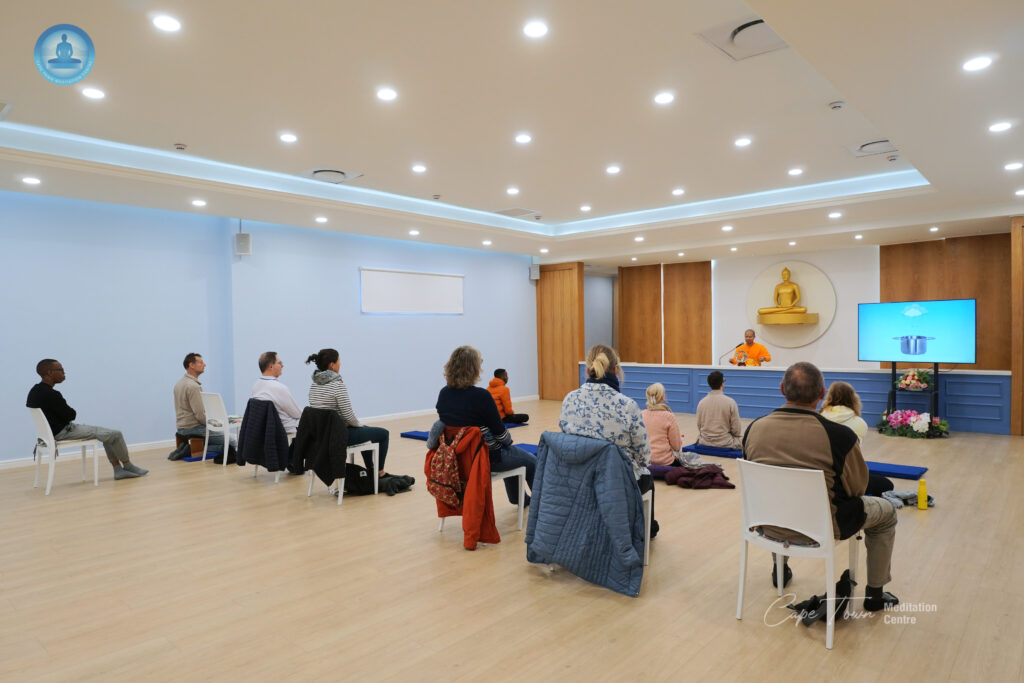
If you cannot exercise for an hour, start with ten minutes.
If you cannot meditate for thirty minutes, start with five.
Five minutes may seem insignificant, but five minutes is still better than doing nothing.
And when we practice consistently, something interesting happens.
Our daily schedule begins to change.
We begin to make space for what is important.
Five minutes can become ten.
Ten minutes can become twenty.
Little by little, the small effort becomes part of our life.
Small Things Can Also Become Problems
The same principle applies to things that are unwholesome.
The Buddha also warned us not to underestimate evil simply because it appears small.
Just as a pot can be filled by drops of water falling one by one, a person can gradually become filled with unwholesome actions by repeatedly doing small wrong things.
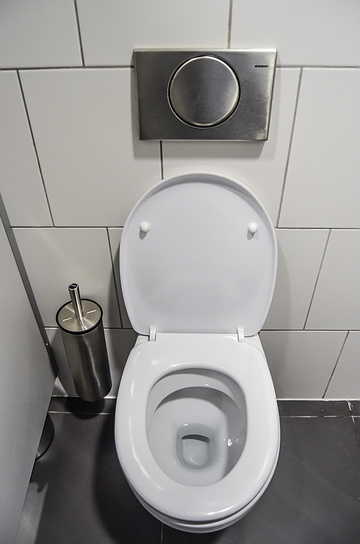
A simple example we can see in everyday life: keeping a bathroom clean.
Imagine that the first person uses the bathroom and leaves just a few drops of water on the floor. They may think, “It’s only a little water. It won’t matter.”
But that small action can influence the people who come after.
The next person may see the wet floor and think, “Someone has already left it like this, so it doesn’t really matter if I leave it too.”
Another person may be concerned about germs and feel uncomfortable touching or cleaning the area.
Little by little, people stop taking responsibility for keeping the space clean, and eventually the bathroom becomes much dirtier than it was at the beginning.
But if the first person simply takes a moment to wipe the water dry, the situation can be very different.
That person knows where the water came from and may not feel as uncomfortable cleaning it as someone who comes afterward.
It takes only a few seconds.
Yet those few seconds can prevent a small problem from becoming a bigger one.
This is another example of how small actions accumulate.
A clean environment is not created by one big effort. It is created by many people taking small responsibilities every day.
Our Habits Are Built the Same Way
This principle also applies to our thoughts.
A thought may seem very small.
But if we repeatedly think in the same way, that thought becomes stronger.
A thought becomes an attitude.
An attitude becomes a pattern.
A pattern becomes a habit.
And our habits gradually shape our character.
For example, someone who becomes angry easily may not have developed that tendency overnight.
Perhaps there were many small moments of frustration, dissatisfaction, resentment, and irritation that were repeatedly held in the mind.
Drop by drop, those emotions accumulated.
Eventually, anger became a familiar response.
This is why taking care of our mind is so important.
Meditation Helps Us See What We Have Accumulated
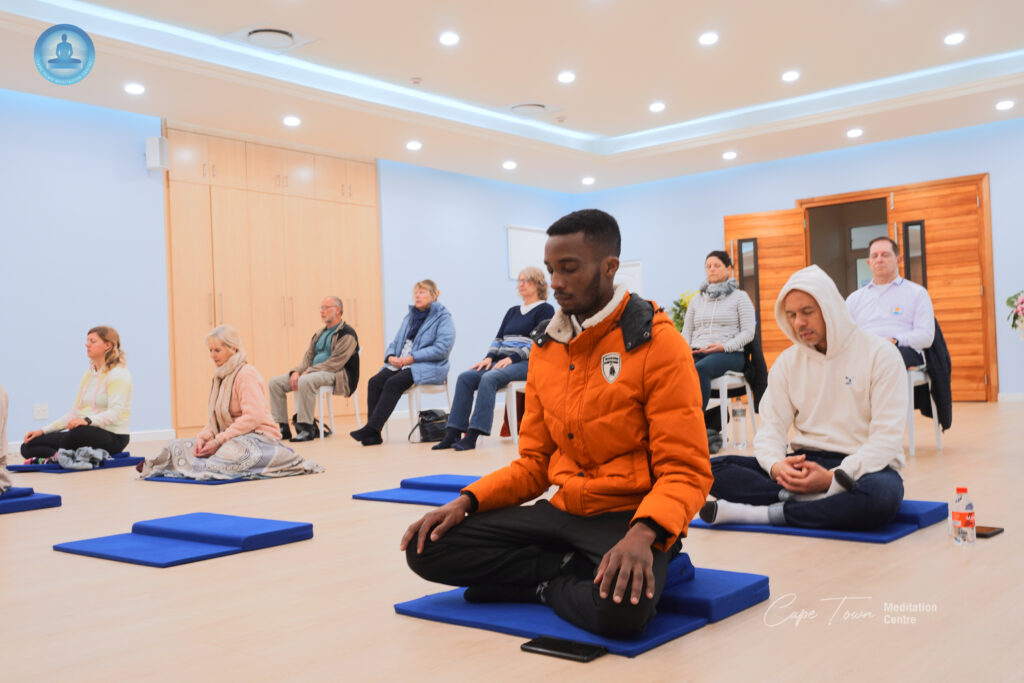
One simple way to observe our mind is through meditation.
When we first close our eyes and sit quietly, we may discover that the mind is full of thoughts.
We may remember conversations from yesterday.
We may think about tomorrow.
We may replay something that happened at work.
We may worry about something that has not even happened yet.
Sometimes we wonder, “Why is my mind so busy?”
But perhaps the answer is simple.
The mind is showing us what we have accumulated.
Just like a pot that has been receiving drops of water day after day, our mind has been receiving thoughts, emotions, experiences, worries, and impressions throughout our daily lives.
Meditation gives us an opportunity to let some of these things go.
We stop.
We become still.
We allow the mind to gradually release what it has been carrying.
Keep the Mind Clean
When we clean a pot until it is completely clean, we naturally become more careful about what we put into it.
We don’t want to fill it with dirty things again.
The same can happen with our mind.
When we experience the peace and clarity that come from meditation, we may begin to become more careful about what we allow into our mind.
We can choose not to hold on to anger.
We can choose not to keep replaying painful situations.
We can choose to forgive.
We can choose to be friendly and wish others well, even when they have made mistakes or treated us unfairly.
This does not mean that we ignore problems.
It means that we do not allow those problems to continuously occupy our mind.
Let Comfort Become the Beginning of Stillness
One of the simplest ways to care for the mind is to maintain a feeling of comfort throughout the day.
When we are comfortable, relaxed, and at ease, the mind has a better opportunity to become still.
When we meditate, we can gently expand that feeling of comfort throughout the body.
Let the body feel comfortable.
Let the mind feel comfortable.
Allow yourself to become a source of comfort, happiness, and goodness.
Then, without forcing anything, remain still at the point where you feel most comfortable.
There is no need to rush.
There is no need to force the mind to become quiet.
Simply stay with the feeling of comfort and allow the mind to gradually settle.
Little by little, the mind becomes calmer.
Little by little, stillness develops.
And little by little, we begin to discover a deeper happiness within ourselves.
What Are You Accumulating Today?
Every day, we are filling our own “pot.”
The question is: What are we putting into it?
Are we accumulating kindness or anger?
Patience or frustration?
Wisdom or distraction?
Peace or worry?
Goodness or negativity?
Every thought, word, and action is like another drop.
One drop may seem insignificant.
But drops become a full pot.
So don’t underestimate the small things.
A small act of goodness today may become a beautiful habit tomorrow.
And a few minutes of meditation today may become the beginning of a peaceful mind for the future.
Little by little, our lives are being formed.
So let us choose our drops carefully.
Let us keep filling our minds with goodness, kindness, peace, and stillness.
And little by little, we may discover that the happiness we have been looking for has been growing within us all along.
