
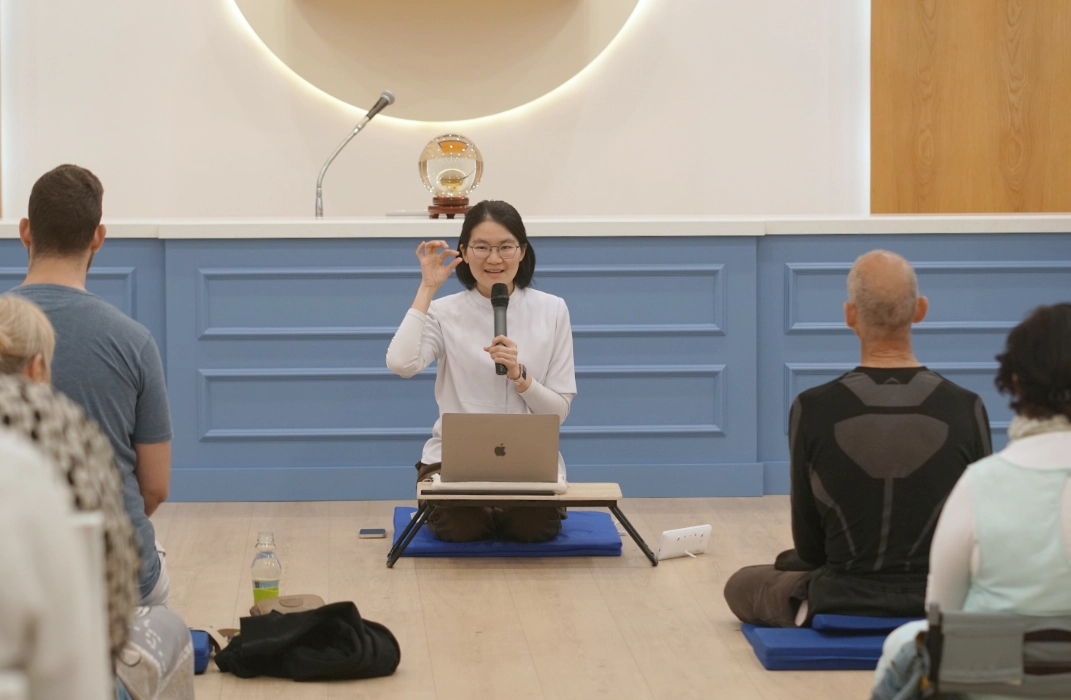
Meditation is a practice found across cultures and traditions. Some focus on the breath, some use sound, some gaze at a flame. At our Cape Town Meditation Centre, we practice the Middle Way Meditation, where the key principle is balance—not too tense, not too loose, but calm and steady.
In Thai, there is a word that perfectly captures this quality: Sabai.
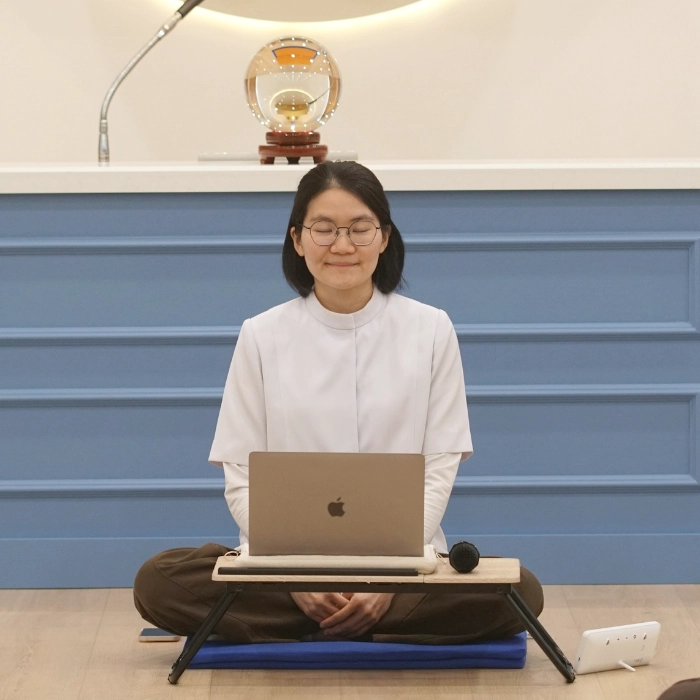
What Does “Sabai” Mean?
“Sabai” is a Thai word rich with meaning. It can mean relaxed, happy, comfortable, content, at ease, or simply “feeling good.” Its root comes from the Pali word Sappaya, which means wholesome, beneficial, suitable, and pleasant.
One word carries many shades of peace and well-being. When Thai people say “Sabai Sabai,” it expresses not only relaxation, but also joy, comfort, and friendliness. In meditation, this Sabai feeling is the foundation.
Why Sabai Feeling Matters in Meditation
When we meditate, many people make the mistake of trying too hard. They push themselves to stop thinking, to feel happy, or to reach a certain state. But forcing the mind only creates more tension.
True meditation happens when we allow the mind to rest naturally. The Sabai feeling is not about thinking or effort—it is a gentle, natural state of ease.
Imagine holding a glass of water. If you shake it, the water becomes disturbed. But if you put it down and leave it alone, the water becomes still by itself. Our mind is the same. When we stop shaking it with constant thoughts, it settles into clarity and peace.
Sabai in Daily Life: The Four Supports
Buddhism teaches the Four Sappaya, or four supports, which help us maintain this Sabai feeling both in meditation and in everyday life:
- Sabai Environment 🌿
A clean, peaceful, and comfortable place sets the right tone for meditation. Whether you sit in nature, by the sea, or in your own room, choose an environment that makes you feel at ease. - Sabai People 👫
Surround yourself with calm and kind companions. Start by being a Sabai person yourself, then share that peace with others. When we sit together with relaxed minds, the atmosphere naturally becomes more peaceful. - Sabai Food 🥗
What we eat affects our body and mind. Light, healthy, and balanced food helps us feel more comfortable. Eating not too much and not too little keeps the body Sabai, and the mind follows. - Sabai Teaching 📖
Learning from teachings that are uplifting and easy to understand helps the mind stay light and joyful. Read or listen to things that bring peace rather than pressure.
These four factors create the conditions for inner peace to grow naturally.
Practical Techniques for Sabai Meditation
There are a few simple methods to bring the Sabai feeling into your meditation:
- Gentle Eyes 👁️
Close your eyes softly, like a feather falling slowly from the sky and touching the surface of water. No force, no pressure—just natural. If thoughts wander, you can slightly open your eyes to reset, then close them again gently. - Sabai Breathing 🌬️
Begin with slow, calm breaths. Inhale gently, exhale slowly, until your body and mind relax. Once you feel settled, you don’t need to keep focusing on the breath. Let go, and allow the mind to rest in stillness. - From Initial to Natural Sabai 🪷
At first, the mind may reach a neutral state: no thoughts, no worries, just emptiness. This is initial Sabai. From there, without effort, the mind flows into natural Sabai—a deeper sense of happiness, bliss, and contentment.
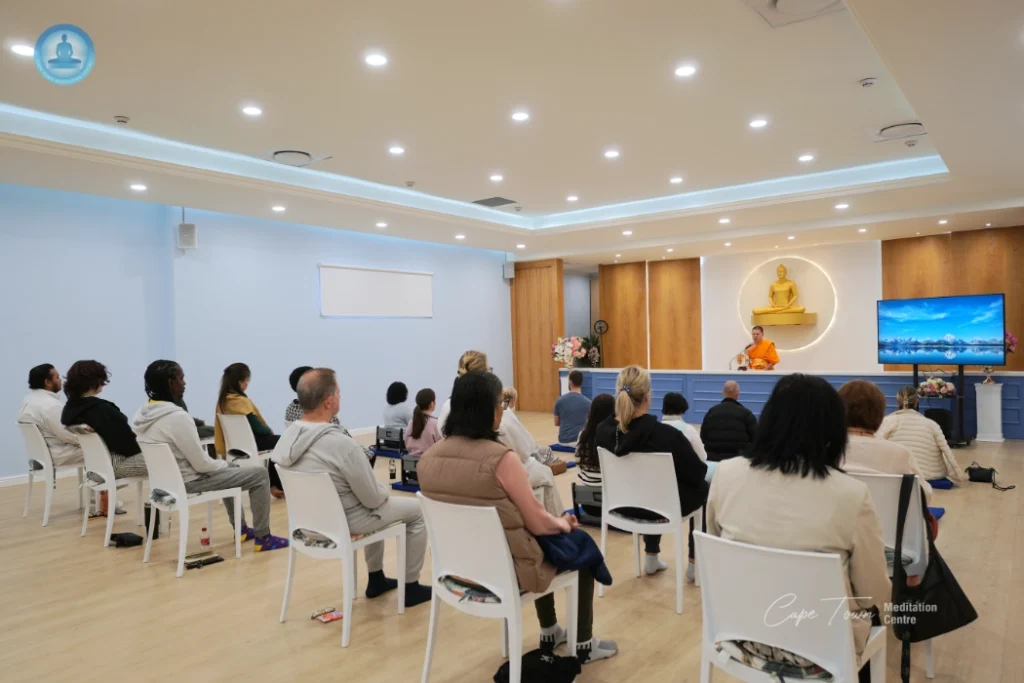
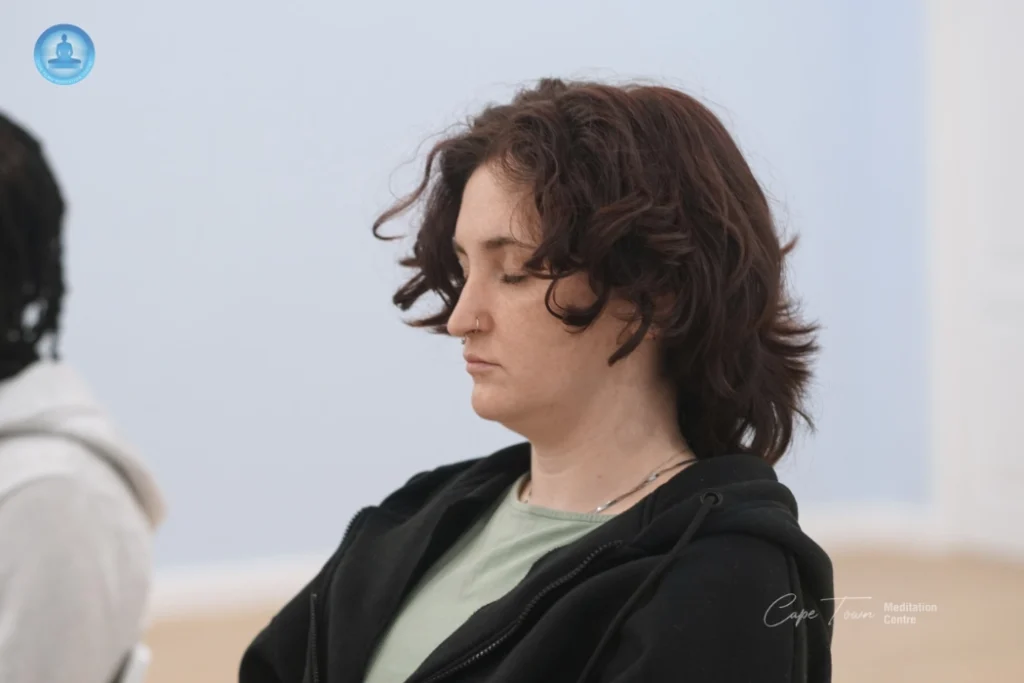
Meditation as a Holiday for the Mind
Meditation is not work. It is not another task on the to-do list. Think of it as a holiday for the mind. When you sit down to meditate, you are giving yourself permission to rest, to let go, and to return to your natural state of ease.
Even in daily life, you can keep the Sabai feeling with you. When thoughts or worries arise, let them pass like scenery outside a train window. No need to grab onto them. Simply sit back and enjoy the ride.
The Role of Cleanliness and Tidiness
Our external environment affects our inner state. A tidy room, an organized desk, or a clean kitchen can make the mind more peaceful. Try it yourself—organize your space, and notice how your meditation becomes lighter and more comfortable. Cleanliness outside helps create Sabai inside.
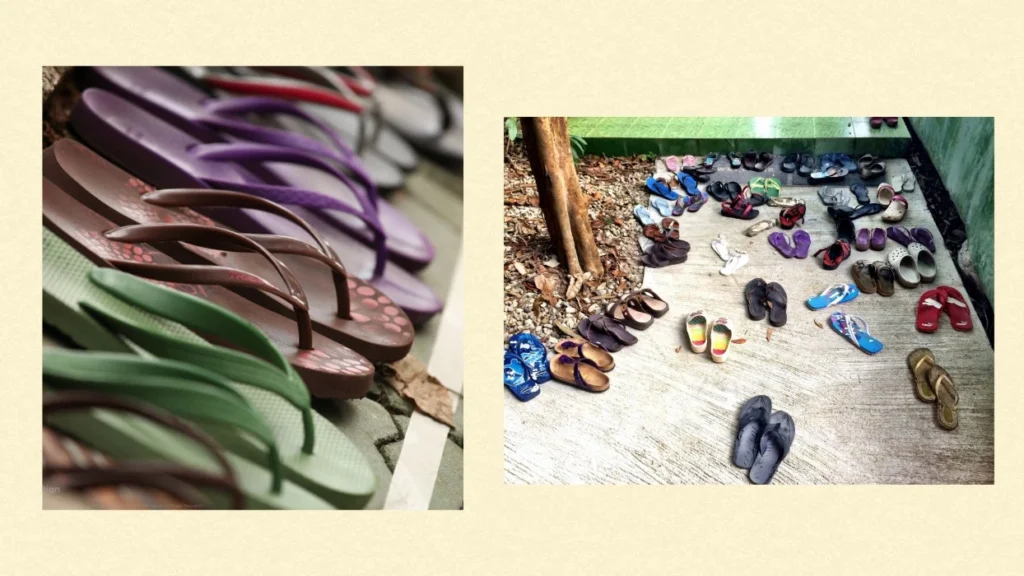
Living with Sabai
To summarize:
- Meditate happily, without force.
- Support your practice with Sabai environment, Sabai people, Sabai food, and Sabai teaching.
- Keep your surroundings clean and tidy.
- Carry the Sabai feeling with you throughout the day.
Sabai is not something new we must create. It is already within us—the most natural state of the mind. By letting go, relaxing, and returning inward, we can rediscover it.
May you carry the Sabai feeling with you, in meditation and in every step of daily life. 🌞

Lovely presentation on sabai sabai 🙏🏻