
Lessons from the Mindfulness Course for Kids and Teenagers at Cape Town Meditation Centre
Growing up brings many new experiences, challenges, and emotions.
Children and teenagers are learning not only about the world around them but also about themselves.
Additionally, they learn how to understand their feelings, respond to difficulties, develop confidence, and take responsibility for their actions.
Mindfulness can help young people develop these skills. By learning to pay attention to the present moment, understand their minds, and practice positive habits, they can become more aware of their choices and how those choices affect their daily lives.
The Mindfulness Course for Kids and Teenagers at Cape Town Meditation Centre introduces these ideas through practical activities.
Additionally, it includes meditation, reflection, and everyday life skills.
The first three classes explore three important areas of personal development: self-understanding and mindfulness, a positive and growth mindset, and the essential life skills of cleanliness and orderliness.
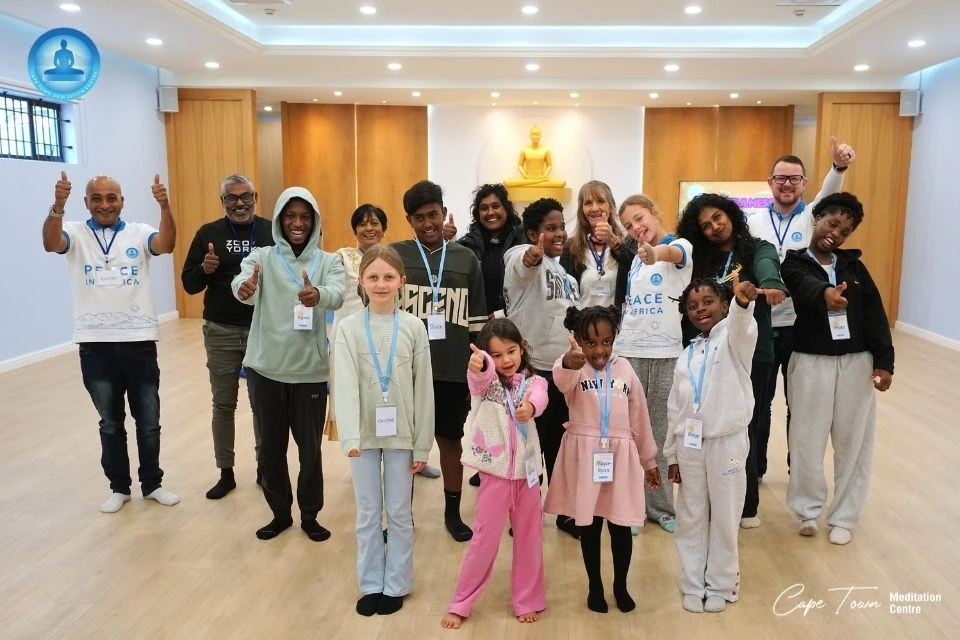
Class 1: Introduction to Self-Understanding and Mindfulness in Daily Life
Saturday, 12 September 2026
Learning to understand ourselves
One of the most important things children can learn is how to understand themselves.
We use our senses to experience the world. We see things with our eyes, hear sounds with our ears, smell with our noses, taste with our tongues, and feel different sensations through our bodies. At the same time, our minds are constantly thinking, remembering, imagining, and responding to what happens around us.
For example, two children might experience the same situation but react differently. One child might feel excited, while another might feel nervous. Understanding ourselves begins with noticing these differences and becoming aware of what is happening within us.
Mindfulness encourages children to pause and observe their experiences rather than reacting automatically.
Instead of immediately acting on an emotion, they can learn to notice what they are feeling and give themselves a moment to decide what to do next.
What is mindfulness?
Mindfulness means paying attention to what is happening in the present moment.
When we eat, we can notice the taste and texture of our food. When we listen to someone, we can give that person our full attention. When we feel upset, we can recognize the emotion instead of immediately allowing it to control our behavior.
These simple moments provide opportunities to practice mindfulness.
Children do not need to be sitting quietly with their eyes closed to practice. They can develop awareness while walking, playing, studying, eating, cleaning, or talking with their family.
The key is learning to bring attention back to what they are doing whenever they notice that their minds have wandered.
Getting to know the mind through meditation
Meditation offers children an opportunity to become familiar with their minds in a calm and comfortable way.
A simple visualization exercise, such as imagining a favorite ice cream, can help children practice directing their attention. They can notice the image they create in their minds and gently bring their attention back whenever it wanders.
The purpose is not to force the mind to become completely still or to expect a special experience. It is to practice paying attention patiently and comfortably.
With regular practice, children can become more familiar with their thoughts and feelings and learn to pause before responding to situations.
How to practice mindfulness at home
Families can introduce mindfulness through small, everyday activities:
- Mindful eating: Notice the taste, smell, and texture of each bite.
- Mindful listening: Listen carefully when someone is speaking instead of planning what to say next.
- Mindful breathing: Take a quiet moment to relax and notice the natural breath.
- Mindful emotions: When feeling angry, worried, or excited, pause and identify the feeling before acting.
- Mindful activities: Give full attention to one task at a time, whether studying, playing, or helping at home.
The aim is not to be perfect. It is to become a little more aware each day.
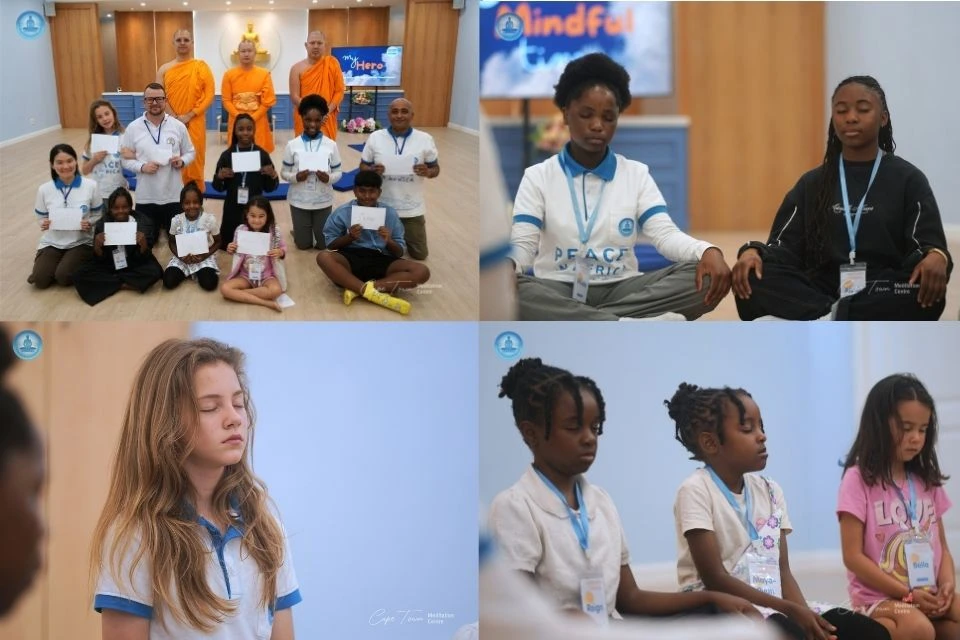
Class 2: Cultivating a Positive and Growth Mindset
Saturday, 26 September 2026
Learning to believe that we can grow
Every child faces challenges. Learning something new, making mistakes, receiving feedback, or trying again after failure can sometimes feel uncomfortable.
The way we think about these experiences can influence what we do next.
A growth mindset means recognizing that our abilities and skills can develop through learning, practice, patience, and effort. Instead of believing that we cannot improve, we learn to see difficulties as opportunities to grow.
For example, a child who struggles with a school subject might think, “I’m not good at this, so I should stop trying.”
A more helpful response would be, “I don’t understand it yet, but I can practice and ask for help.”
The word yet is important. It reminds us that our present ability does not have to determine our future ability.
Changing the way we speak to ourselves
The words we use when talking to ourselves can influence our confidence and motivation.
Compare these two ways of thinking:
- “I always make mistakes” becomes “I can learn from my mistakes.”
- “I can’t do this” becomes “I can keep practicing.”
- “Everyone is better than me” becomes “I can focus on my own progress.”
- “I failed, so I’m not good enough” becomes “This experience can teach me something.”
Positive thinking does not mean pretending that everything is easy or ignoring real problems. It means approaching difficulties with a more constructive attitude and looking for the next step we can take.
Children can learn to recognize discouraging thoughts without believing that those thoughts define who they are.
Becoming our own hero
Being a hero does not always mean doing something extraordinary or receiving recognition from others.
Sometimes, the most important victories happen within ourselves.
A child who tries again after making a mistake, apologizes after hurting someone, or stays calm when feeling frustrated is practicing an important kind of inner strength.
Rather than comparing ourselves constantly with other people, we can learn to recognize our own progress.
We might ask ourselves:
- Did I try my best today?
- Did I learn something new?
- Did I respond more calmly than I did before?
- Did I help someone or do something kind?
- What could I do differently next time?
These questions encourage children to measure progress through learning, effort, kindness, and personal responsibility.
The importance of balance
A positive mindset does not require us to push ourselves all the time.
Sometimes we need to make an effort, and sometimes we need to rest. If we become too tense while trying to achieve something, we may find it harder to concentrate. If we give up too quickly, we may miss opportunities to improve.
Finding a healthy balance between effort and relaxation helps us continue learning without becoming overwhelmed.
Meditation can support this process by giving children a chance to settle their minds, relax, and return to their activities with greater awareness.
Turning positive thinking into positive action
A growth mindset becomes more meaningful when it influences our behavior.
Children can practice it by:
- Trying a challenging task before deciding they cannot do it.
- Asking questions when they do not understand something.
- Accepting helpful feedback without seeing it as a personal failure.
- Celebrating effort and improvement, not only perfect results.
- Treating classmates with kindness rather than competing over who is better.
- Reflecting on mistakes and choosing one thing to improve next time.
The goal is not to succeed at everything. It is to keep learning, make thoughtful choices, and become a little better over time.
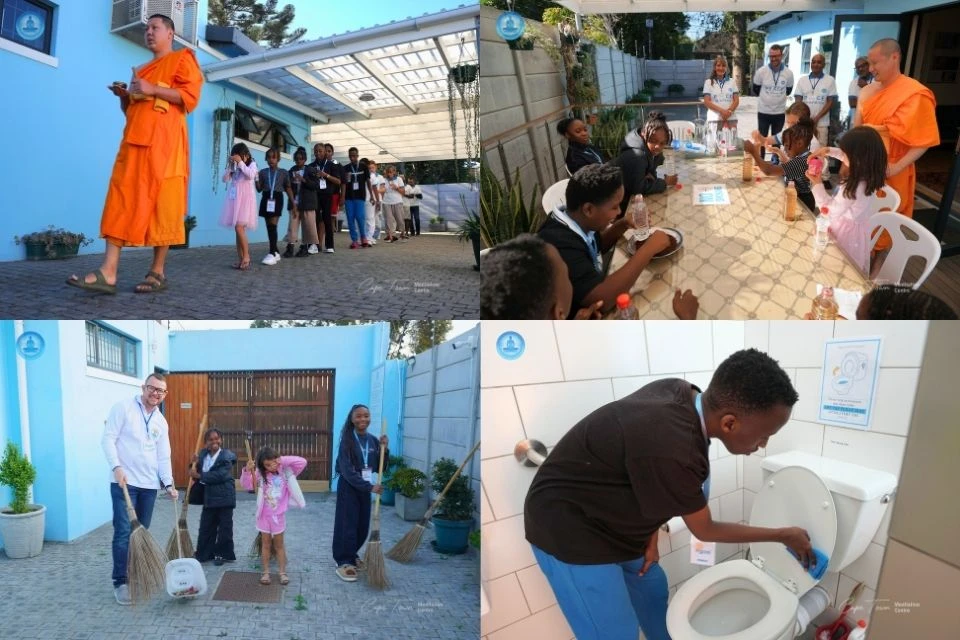
Class 3: Essential Life Skills — Cleanliness and Orderliness
Saturday, 10 October 2026
Why cleanliness and orderliness matter
Cleanliness and orderliness are more than household chores. They are everyday skills that help children develop responsibility, consideration for others, and greater awareness of their surroundings.
When we keep our bodies and belongings clean, organize our spaces, and put things back where they belong, we make daily life easier for ourselves and the people around us.
A tidy study area can make it easier to find school materials. A clean kitchen helps the family prepare food comfortably. Putting away toys after playing makes the space safer and more pleasant for the next person.
These actions may seem small, but they are opportunities to practice care and responsibility.
From cleanliness to responsibility
Good habits can support one another.
Learning to keep ourselves and our surroundings clean can help us become more organized. Becoming organized can help us prepare for activities on time. Being considerate and respectful of others can also encourage us to respect shared spaces and other people’s time.
These qualities do not develop perfectly in a single day. They grow through repetition and daily practice.
For children, this means learning to take responsibility for simple tasks rather than always waiting for an adult to do everything for them.
Clean-In, Clean-Out: Taking care of what we bring into our lives
The idea of Clean-In, Clean-Out can be understood as a reminder to pay attention to both our surroundings and our inner lives.
Clean-In encourages us to be mindful of what we allow into our minds and daily routines. The words we listen to, the content we watch, and the attitudes we practice can influence how we think and behave.
Clean-Out reminds us to remove unnecessary mess, put things back in order, and let go of habits that are unhelpful. This can include clearing a desk, organizing a schoolbag, or taking a moment to recognize and change an unkind response.
The purpose is not to expect ourselves to be perfect. It is to develop the habit of noticing what needs attention and taking practical steps to improve it.
The five habits of personal development
A useful set of connected life skills emphasizes five qualities:
- Cleanliness: Keep the body, clothing, belongings, and surroundings clean.
- Orderliness: Put things in their proper places and maintain an organized environment.
- Politeness: Speak and act respectfully towards other people.
- Punctuality: Respect time by preparing ahead and arriving when expected.
- Mindfulness: Pay attention to what we are doing and how our actions affect ourselves and others.
These qualities can be practiced together. For example, preparing a schoolbag the night before helps keep things organized, reduces morning stress, and makes it easier to leave home on time.
Mindfulness supports the whole process by helping children notice what needs to be done instead of acting carelessly or waiting until someone reminds them.
Making good habits part of everyday life
Parents and children can practice these skills through simple routines:
- Make the bed after getting up.
- Put toys, books, and school materials back in their proper places.
- Clean up after eating or completing an activity.
- Prepare clothes and schoolbags before bedtime.
- Use polite words such as “please,” “thank you,” and “excuse me.”
- Leave shared spaces clean for the next person.
- Pause before starting a task and check what needs to be done.
Rather than treating these responsibilities only as punishments or chores, families can approach them as opportunities to build independence and contribute to a happier home.
Children can begin with one or two manageable habits and gradually add more as they become consistent.
Bringing the Three Lessons Together
The first three classes explore different aspects of personal development, but their lessons are closely connected.
Self-understanding helps us recognize what is happening within us. Mindfulness teaches us to pay attention to our experiences and notice our thoughts, feelings, and actions.
A growth mindset helps us respond to challenges constructively. Instead of giving up when something is difficult, we can learn from experience, practice patience, and try again.
Cleanliness and orderliness help us put awareness into action. By caring for our belongings, respecting shared spaces, and developing responsible routines, we turn good intentions into daily habits.
Together, these skills can help children become more aware, confident, organized, and considerate.
Progress does not require dramatic changes. It often begins with small choices repeated consistently: pausing before reacting, trying again after a mistake, putting something away after using it, or remembering to speak kindly.
A Simple Daily Practice for Children and Parents
Families can use the following five-minute reflection at the end of each day.
1. Pause and relax. Sit comfortably and take a quiet moment to settle down.
2. Look back on the day. What did you learn? When did you feel happy, frustrated, nervous, or proud?
3. Recognize one positive action. Perhaps you helped someone, tried something difficult, or completed a task responsibly.
4. Choose one thing to improve. Think about a moment when you could have been more patient, organized, or mindful.
5. Set one small goal for tomorrow. Choose something realistic, such as making your bed, listening carefully, or trying again at a challenging task.
Parents can join their children in this practice by sharing their own reflections. The conversation should feel supportive rather than like a test. There is no need to judge every action as good or bad; the aim is to learn and grow together.
Questions for Further Reflection
Children and teenagers can use these questions to revisit the lessons:
- What does mindfulness mean to me?
- How can I notice my feelings before reacting?
- What can I say to myself when something feels difficult?
- What have I learned from a recent mistake?
- Which daily habit would help me become more organized?
- How does keeping a shared space clean show consideration for others?
- What is one small improvement I would like to make this week?
Parents can also use these questions to encourage meaningful conversations about school, friendships, responsibilities, and emotional well-being.
Growing One Small Step at a Time
Learning about mindfulness is not only about sitting quietly or understanding new ideas. It is about bringing awareness into the way we live.
When children learn to understand themselves, approach challenges with a growth mindset, and take responsibility for their daily habits, they begin developing skills that can support them throughout life.
These qualities take time to grow. Children need encouragement, opportunities to practice, and room to make mistakes along the way.
At Cape Town Meditation Centre, the Mindfulness Course for Kids and Teenagers aims to support young people in exploring these valuable lessons through meditation, practical activities, and everyday experiences.
The most important step is to begin with something small and keep practicing.
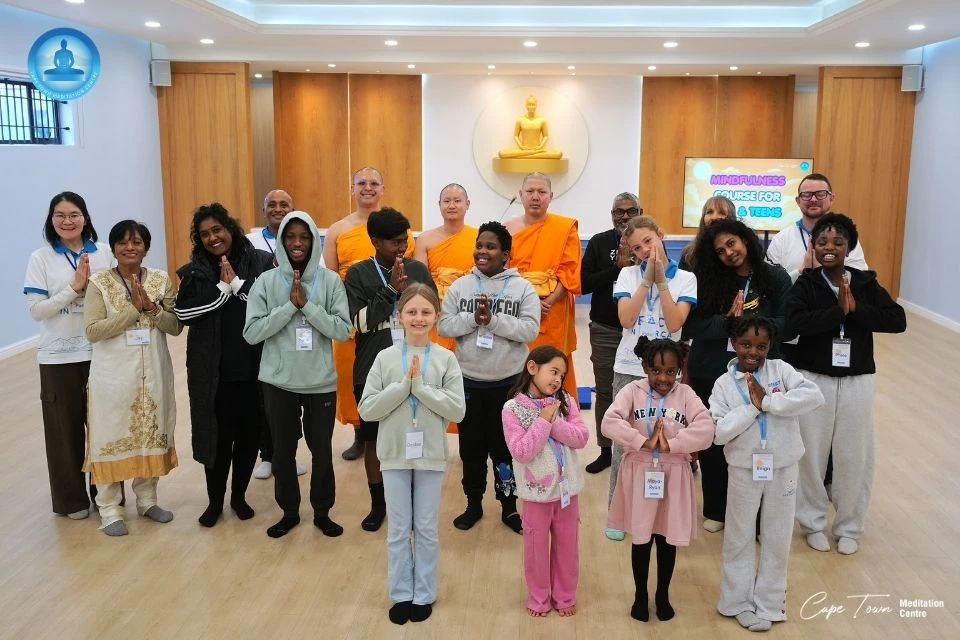
Understand yourself. Keep learning. Build good habits. Grow a little every day.
Cape Town Meditation Centre
Supporting mindfulness, inner peace, and positive development for children, teenagers, and families.
